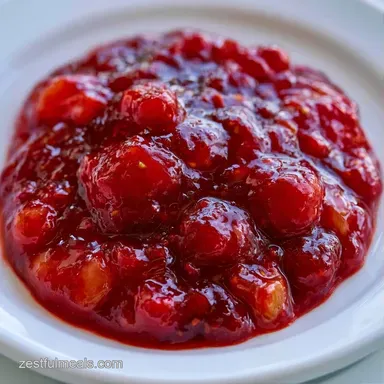
Boiling Water Bath Jam: Tangy Strawberry Rhubarb
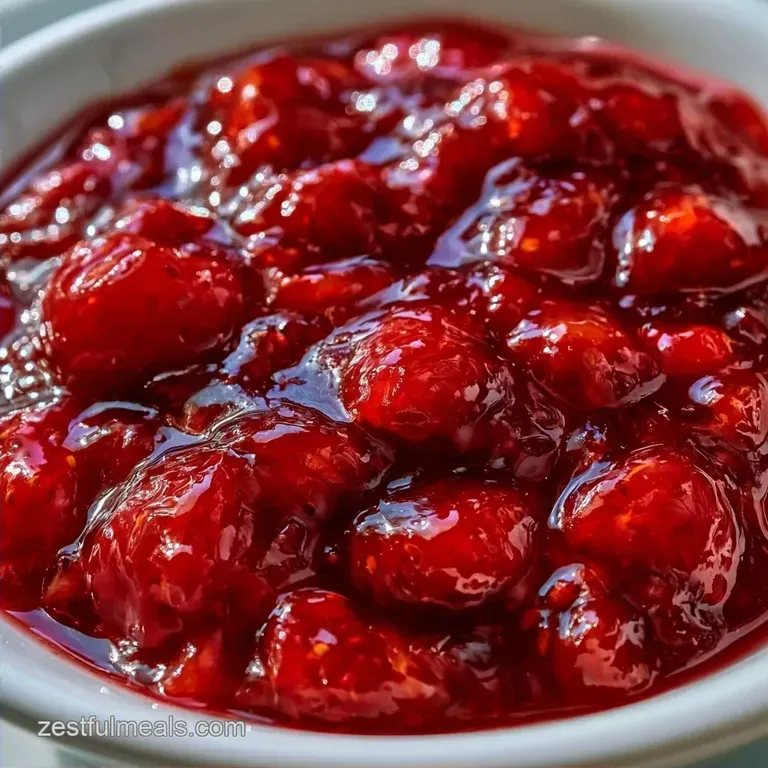
- Time: 10 min prep + 40 min cook + 24 hours chilling/sealing = Total 24 hours 50 mins
- Flavor/Texture Hook: Glossy, thick consistency with a sharp, tangy zip from the rhubarb
- Perfect for: Gifting, early morning toast, or preserving a massive garden harvest
The scent of hot strawberries and tart rhubarb fills the whole house, like a concentrated summer morning. It's a heavy, sweet aroma that sticks to your curtains and makes you want to eat toast for every single meal.
I still remember the first time I tried this, staring at the pot with a mix of excitement and genuine terror that I'd end up with a sugary soup instead of a thick preserve.
I spent way too long overthinking the "pop" of the lid, hovering over my jars like a nervous parent. But once that first jar clicked shut, I realized the process is actually quite logical. You just have to trust the heat and the timing.
If you've been intimidated by canning, this Boiling Water Bath Jam is the best place to start. It's a straightforward process that transforms basic fruit into something that feels like a luxury. Trust me, once you see those glossy red jars lined up on your shelf, you'll be looking for every excuse to buy more berries.
Boiling Water Bath Jam Basics
The secret here isn't some hidden chef's trick, it's just about getting the balance of a few key elements right. When we make a Boiling Water Bath Jam, we're essentially creating a biological lock that keeps bacteria out and flavor in.
The Pectin Bond: Pectin acts like a natural glue that binds the fruit juice together into a gel. It only works when the sugar and acid levels are just right, which is why we don't skip the lemon juice.
The Heat Vacuum: Boiling the jars creates a vacuum. As the jam cools, the air inside shrinks and pulls the lid down tight, creating that satisfying "pop" sound.
Sugar's Role: Beyond the sweetness, sugar binds with water. This prevents the fruit from staying too liquid and helps the pectin structure hold its shape, according to the USDA FoodData guidelines on food preservation.
Acid Activation: Lemon juice lowers the pH level. This doesn't just add a bright tang, it's what actually triggers the pectin to set.
| Method | Time | Texture | Best For |
|---|---|---|---|
| Fresh Boil | 40 mins | Thick & Glossy | Long term storage |
| Freezer Jam | 10 mins | Softer, Seedy | Short term use |
| Slow Cooker | 8 hours | Very Concentrated | Deep flavor |
This comparison shows why the hot water bath is the gold standard for those who want a professional grade set and a pantry that stays stocked through winter.
Component Analysis
Understanding what each ingredient actually does helps you avoid the common panic of "is this too runny?"
| Ingredient | Science Role | Pro Secret |
|---|---|---|
| Powdered Pectin | Gelling Agent | Whisk it into fruit first to avoid lumps |
| Granulated Sugar | Preservative | Add all at once to prevent crystallization |
| Lemon Juice | pH Modifier | Use bottled for consistent acidity levels |
| Unsalted Butter | Foam Control | Keeps the jam from boiling over the pot |
If you're looking for something faster for a single breakfast, you might prefer a Jam in 25 Minutes recipe, but for the long haul, this full scale method is the way to go.
Essential Ingredients
I've found that using the most basic, budget friendly versions of these ingredients still yields a high end result. You don't need fancy organic imports to make this work.
- 4 cups (600g) hulled strawberries, smashed Why this? Smashed berries release pectin faster than whole ones
- 2 cups (300g) diced rhubarb Why this? Natural tartness balances the heavy sugar
- 1/4 cup (60ml) bottled lemon juice Why this? Bottled is more acidic than fresh, ensuring a set
- 1 box (57g) powdered fruit pectin Why this? Provides a consistent, reliable thicken
- 5 cups (1kg) granulated sugar Why this? Essential for the chemical bond and shelf life
- 1/2 tsp (3g) unsalted butter Why this? Stops the "foam over" disaster on your stove
| Original Ingredient | Substitute | Why It Works |
|---|---|---|
| Strawberries | Raspberries | Similar pectin levels. Note: More seeds, slightly tarter |
| Rhubarb | Granny Smith Apple | High in natural pectin. Note: Milder flavor than rhubarb |
| Granulated Sugar | Honey | Natural sweetener. Note: Alters the set; may stay softer |
Just a heads up, if you use honey or maple syrup, the jam might not reach that thick, velvety consistency. Stick to the granulated sugar if you want that classic "spread" feel.
Essential Gear List
You don't need a professional canning factory in your kitchen, but a few specific tools make this way less stressful.
- A heavy bottomed pot: This is non negotiable. Thin pots create hot spots that burn the sugar.
- Water bath canner: A large pot with a rack to keep jars off the bottom.
- Bubble remover tool: A plastic spatula or a clean chopstick works too.
- Jar lifter: Trust me, pulling hot jars out of boiling water with your fingers is a mistake you only make once.
Bringing It Together
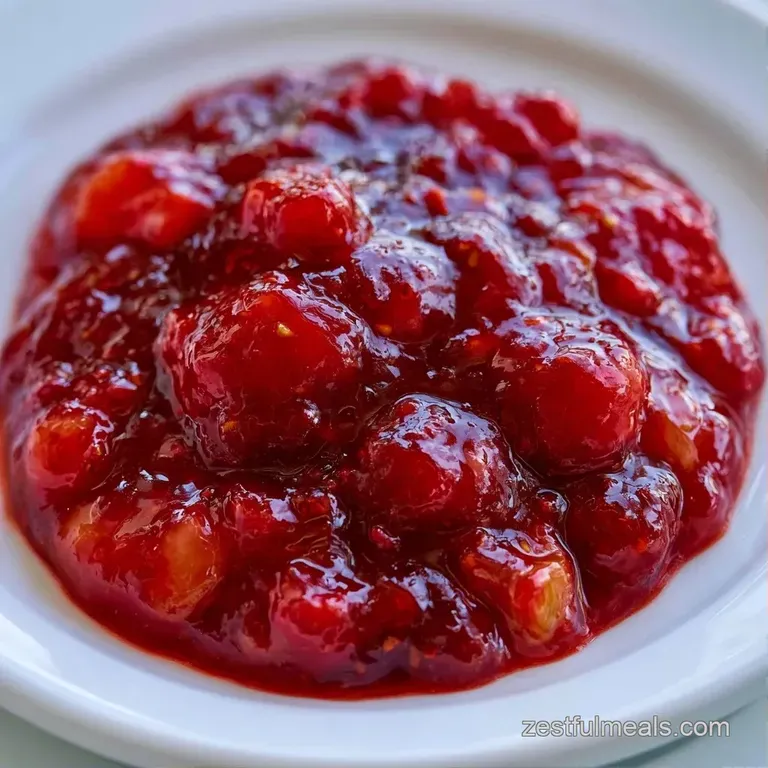
Right then, let's get into the actual making. Pay close attention to the "rolling boil" - that's the most critical part of the whole process.
Phase 1: The Prep and Sterilization
- Place clean jars in the water bath canner, fill with water, and bring to a simmer to keep the glass hot. Note: Hot jars won't crack when filled with hot jam
- Combine smashed strawberries, diced rhubarb, and lemon juice in a heavy bottomed pot.
Phase 2: The over High heat Set
- Whisk the powdered fruit pectin into the fruit mixture.
- Turn heat to high and bring the mixture to a rolling boil. until the bubbles are large and don't stop when stirred
- Stir in the granulated sugar all at once and add the butter to reduce foaming.
- Maintain a rolling boil for exactly 1 minute, stirring constantly. until the mixture looks glossy and thick
Phase 3: The Hot Water Bath Processing
- Ladle the hot jam into warm jars, leaving 1/4 inch of headspace, and remove trapped air bubbles with a bubble remover tool.
- Wipe rims clean, center the lids, and screw bands until finger tip tight.
- Lower jars into the canner and process in boiling water for 10 minutes, ensuring water covers tops by 1-2 inches.
- Remove jars and let them sit undisturbed on a towel for 24 hours to seal.
Chef's Note: When I first started, I tightened the lids as hard as I could. Don't do that! "Finger tip tight" means just until you feel resistance. If you over tighten, air can't escape, and the jar won't seal.
Fixing Common Problems
Even the best of us have a batch that goes sideways. Usually, it's a matter of temperature or timing.
The Jam Won't Set
If your jam is more like a syrup, you probably didn't hit a true rolling boil or the fruit had too much water. You can re boil it with a bit more pectin, but it's often easier to just use it as a sauce for my Classic New York Cheesecake.
Lids Won't Seal
This usually happens if the rim was dirty or the jar cooled down too much before going into the bath. Check for a "pop" sound; if it doesn't happen, just put that jar in the fridge.
Excessive Foaming
If the jam is bubbling over, you might have skipped the butter or stirred too vigorously. Skim the foam off the top with a spoon before ladling into jars for a clearer look.
| Problem | Root Cause | Solution |
|---|---|---|
| Runny Jam | Under boiled | Re boil for 1 min with extra pectin |
| Cloudy Color | Over stirring | Use a gentle folding motion |
| Leaking Lid | Dirty rim | Wipe rim with vinegar before sealing |
- ✓ Use a timer for the 1 minute boil (don't guess).
- ✓ Always use bottled lemon juice for a consistent pH.
- ✓ Ensure water covers jar lids by at least one inch.
- ✓ Leave exactly 1/4 inch of headspace for the vacuum to work.
- ✓ Let jars sit for a full 24 hours before shaking them.
Adjusting Batch Sizes
Whether you have one basket of berries or a whole truckload, you can scale this.
Scaling Down (Half Batch): Use a smaller pot to prevent the liquid from evaporating too quickly. Reduce the boiling time by about 10-15 seconds, but still aim for that rolling boil.
Scaling Up (Double Batch): Don't just double the pot size; work in batches. If you put too much fruit in one pot, it takes forever to reach a boil, and the fruit can break down too much, losing that chunky texture. Keep the sugar and pectin ratios exact, but only increase the butter slightly.
| Goal | Adjustment | Result |
|---|---|---|
| Small Batch | 1/2 Ingredients | Faster boil, needs tighter timing |
| Bulk Batch | 2x Ingredients | Process in two pots for better heat |
| Low Sugar | 20% less sugar | Softer set, shorter shelf life |
If you're doing a massive batch, remember that the "rolling boil" takes longer to achieve. Be patient.
Jam Room Truths
There are a few things people say about canning that just aren't true. Let's clear those up.
One big myth is that you need an expensive, professional pressure canner for jam. You don't. Because jam is high in acid (thanks to the lemon and fruit), a simple boiling water bath is perfectly safe.
Another misconception is that you can just add more sugar to "fix" a jam that isn't setting. While sugar helps, adding too much after the initial boil can actually interfere with the pectin and leave you with a grainy mess.
Storage Guidelines
Once those lids pop, you're set for a while.
Pantry Storage: Store your jars in a cool, dark place. They'll stay fresh for up to a year. Once opened, move the jar to the fridge and eat it within 3-4 weeks.
Freezing: If you didn't process them in the water bath, you can freeze jam in plastic containers. It'll last about 6 months, though the texture might be a bit softer once thawed.
Zero Waste: Don't toss the strawberry tops or rhubarb leaves (though rhubarb leaves are toxic, so throw those!). Use the strawberry hulls to infuse a quick sugar syrup for cocktails or desserts.
Serving Suggestions
This jam is a powerhouse of flavor. Beyond the obvious toast, it's a fantastic topping for Greek yogurt or a swirl in a bowl of oatmeal.
If you want something a bit more decadent, try using it as a base for a jam sundae sauce. The tartness of the rhubarb cuts through the richness of vanilla ice cream beautifully. You can also stir a spoonful into softened butter for a fruity compound butter that's incredible on warm biscuits.
Recipe FAQs
How long to process jam in a boiling water bath?
10 minutes. Ensure the boiling water covers the jar tops by 1-2 inches throughout the process.
How long do jars need to sit after processing to seal?
24 hours. Leave the jars undisturbed on a towel to allow the vacuum seal to form properly.
Do I put a lid on the water bath canner while processing jam?
No. Leaving the pot uncovered helps maintain a steady, consistent boil.
How to make jam with fresh berries?
Combine smashed strawberries, diced rhubarb, and lemon juice in a pot. Whisk in pectin, bring to a rolling boil, stir in sugar and butter, and boil for one minute.
Is it true I must sterilize jars in the oven before filling?
No, this is a common misconception. Simmering clean jars in the water bath is enough to keep the glass hot and prevent cracking.
How to remove air bubbles from canning jars?
Use a bubble remover tool. Run the tool along the inside of the jar to release trapped air before wiping the rims and applying lids.
How long can processed jam be stored in the pantry?
Up to one year. Store jars in a cool, dark place and refrigerate them once opened. For more time saving meal prep, try our taco meat guide.
Boiling Water Bath Jam