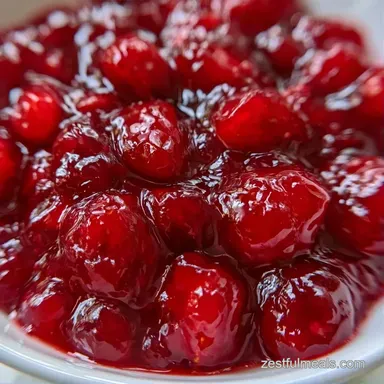
Homemade Jam: Small Batch and Glossy
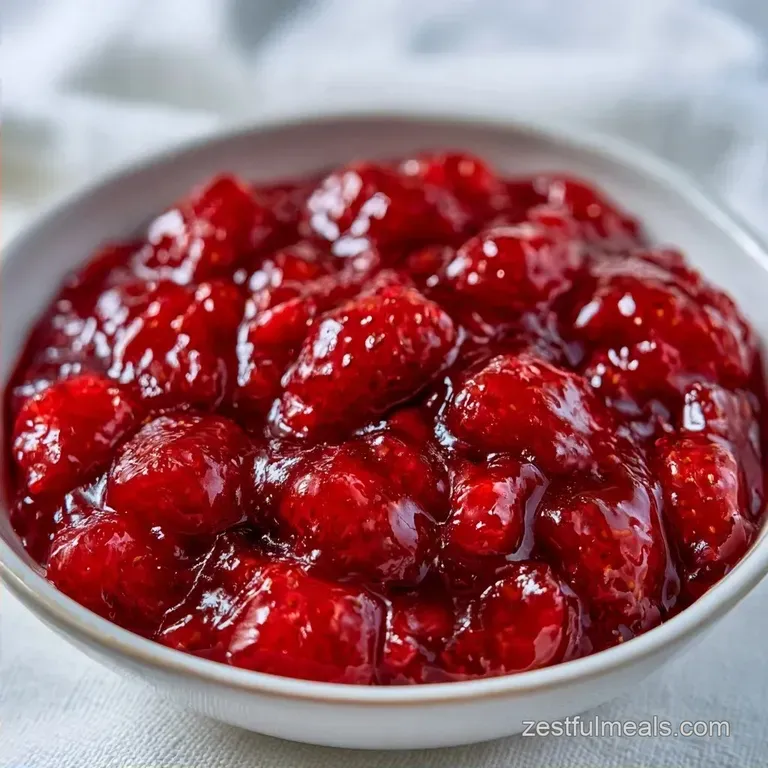
- Time: 10 min prep + 15 min cook = Total 35 mins
- Flavor/Texture Hook: Glossy, velvety spread with soft fruit chunks
- Perfect for: Fresh breakfast toasts, small batch gifting, or beginner preserves
That thick, syrupy scent of boiling strawberries filling the kitchen is the best part of the whole process. I used to think you needed a whole orchard and a giant copper vat to make real preserves, but that's just not true.
You don't need 20 pounds of fruit or an entire weekend to get a result that tastes like it came from a high end farmer's market.
Most people think jam requires hours of simmering to get the right consistency, but that actually kills the bright, fresh flavor of the berries. By keeping the batch small and the heat precise, we keep that vibrant red color and the punchy taste of the fruit.
This guide is about making a small amount of Homemade Jam that actually sets without needing a chemistry degree. We'll focus on the "wrinkle test" and the right balance of acid to make sure you don't end up with a sugary syrup.
Making Great Homemade Jam
The secret to a successful set is all about the relationship between pectin, sugar, and acid. Pectin is a natural fiber found in fruit, but in strawberries, it's pretty low. That's why we add a bit of powdered pectin and lemon juice.
The acid from the lemon essentially "wakes up" the pectin, allowing it to bond with the sugar and create that glossy, spreadable texture we're after.
When you're working with a Small Batch Jam Recipe, the evaporation happens much faster. This is a huge advantage because you don't have to boil the fruit for an hour, which often leads to a "cooked" or caramelized taste. Instead, we go for a rapid, rolling boil that locks in the fruit's natural essence.
To ensure your Homemade Jam doesn't turn into a runny mess, you need to hit the "setting point." This is the moment when the liquid transforms into a gel. If you undercook it, it's a sauce; if you overcook it, it becomes rubbery or develops a weird, grainy texture from the sugar crystallizing.
- The Pectin Bond
- Pectin molecules form a mesh like structure that traps liquid, creating the gel.
- Sugar Stabilization
- Sugar binds to water, preventing the pectin from clumping and ensuring a smooth spread.
- Acid Activation
- Lemon juice lowers the pH, which allows the pectin chains to bond together more effectively.
- Rapid Evaporation
- High heat quickly removes excess water, concentrating the flavors and thickening the jam.
| Method | Time | Texture | Best For |
|---|---|---|---|
| Stovetop | 35 mins | Glossy & Bright | Fresh, vibrant flavor |
| Slow Cooker | 4-6 hours | Deep & Jammy | Low maintenance batches |
| Oven Roast | 2 hours | Concentrated | Intensive fruit flavor |
Right then, before we get into the tools, let's look at what's actually happening inside the pot. Understanding the "why" prevents those annoying mistakes like the jam never thickening or becoming too stiff.
The Component Breakdown
| Ingredient | Science Role | Pro Secret |
|---|---|---|
| Strawberries | Base & Flavor | Use berries that are slightly under ripe for more natural pectin |
| White Sugar | Structure | Don't reduce too much or the jam won't set |
| Lemon Juice | pH Modifier | Always use fresh lemon, not bottled, for better acid levels |
| Powdered Pectin | Gelling Agent | Whisk it in only after the fruit starts to boil |
Essential Gear List
You don't need a professional canning setup for this, but a few specific items make it easier. A heavy bottomed saucepan is non negotiable. Thin pots create "hot spots" where the sugar can burn and stick to the bottom, leaving you with bitter brown streaks in your jam.
I also recommend using a wide pan if you have one. The more surface area the jam has, the faster the water evaporates, which means you spend less time on the heat. This is the best way to make an Easy Small Batch Jam without losing that fresh berry pop.
Finally, get a small ceramic plate and put it in the freezer. This is for the plate test, and it's the only way to be 100% sure the jam is done. Using a room temperature plate will give you a false reading, and you'll end up with a runny result.
Bringing It Together
The Maceration Phase
Combine 2 cups (300g) fresh strawberries, 1/2 cup (100g) granulated white sugar, and 1 tbsp (15ml) fresh lemon juice in a small heavy bottomed saucepan. Stir gently and let the mixture sit for 10 minutes Note: This draws out the juices and prevents the fruit from breaking apart too quickly.
The Rapid Boil
Place the pan over medium high heat and stir constantly Note: This stops the sugar from scorching on the bottom. Bring the mixture to a rolling boil. Once it's bubbling vigorously, whisk in 1 tsp (4g) powdered pectin.
The Setting Point
Continue to boil for 5–10 minutes, stirring frequently, until the mixture thickens and fruit softens while retaining its shape. Perform the plate test: drop a small spoonful of jam onto the chilled plate, let it sit for 30 seconds, and push it with your finger.
If it wrinkles, it's done. If it's still liquid, boil for another 2 minutes.
The Final Touch
Use a spoon to skim off any white or pink foam from the surface Note: This ensures a clear, professional finish. Transfer the jam into sterilized glass jars and seal with lids.
Chef's Tip: To get a crystal clear jam, you can stir in a tiny knob of butter right before the final boil. It breaks the surface tension and stops the foam from forming in the first place.
Solving Common Set Issues
One of the biggest frustrations with Homemade Jam is when it just doesn't "set." This usually happens because the balance of acid and pectin was off, or the temperature didn't reach a true rolling boil. If you're using a Small Batch Strawberry Jam method, the window between "runny" and "rubbery" is quite small.
Troubleshooting Common Issues
| Issue | Solution |
|---|---|
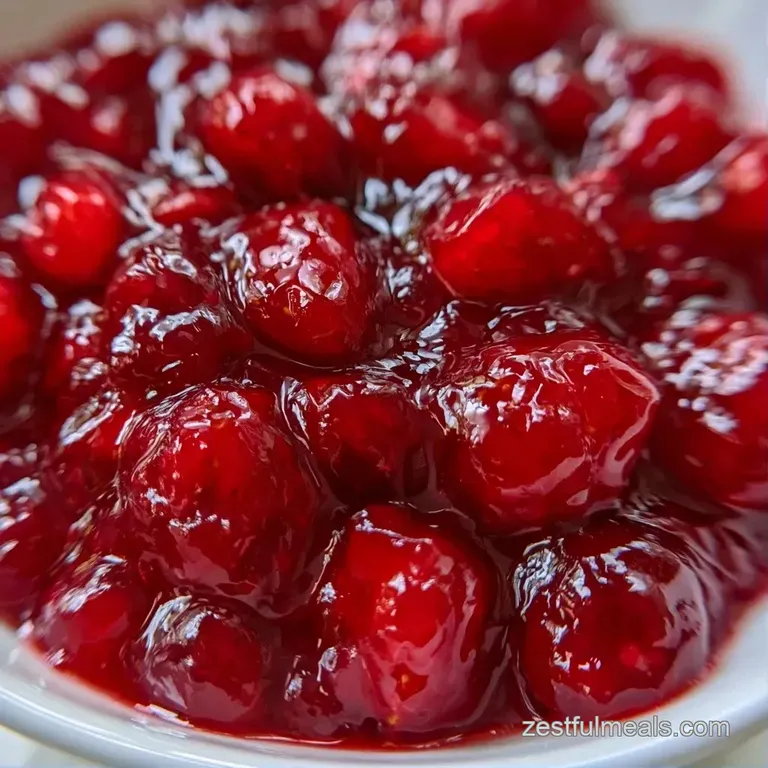
| Why Your Jam Is Runny | If your jam is too liquid, it usually means it didn't reach the setting point or there wasn't enough acid to activate the pectin. |
| Why Your Jam Is Rubbery | This happens when you use too much pectin or boil the mixture for too long. The result is a jelly like texture that feels unnatural in the mouth. |
| Why Your Jam Has Crystals | Sugar crystallization occurs when the jam is cooled too slowly or if you stir it too aggressively during the final stages of cooling. |
Checklist for Success:
- ✓ Use a heavy pot to avoid burnt sugar.
- ✓ Always use the chilled plate test.
- ✓ Whisk pectin only at the boiling point.
- ✓ Skim the foam for a glossy look.
- ✓ Sterilize jars with boiling water first.
Flavor Twists and Swaps
While strawberries are a classic, you can easily adapt this for a Small Batch Blueberry Jam or a Small Batch Raspberry Jam. Blueberries have more natural pectin than strawberries, so you might find they set a bit faster.
Raspberries have seeds, so if you prefer a velvety texture, push the cooked jam through a fine mesh sieve.
If you're looking for a different vibe, try adding a pinch of cinnamon or a drop of vanilla extract at the very end. For those who want something even faster for a dessert, my jam sundae sauce is a great alternative that skips the long set time.
| Original Ingredient | Substitute | Why It Works |
|---|---|---|
| White Sugar | Honey | Same sweetness. Note: Changes color and may make the set softer |
| Strawberries | Blueberries | Similar water content. Note: Natural pectin is higher, sets faster |
| Lemon Juice | Apple Cider Vinegar | Provides necessary acid. Note: Adds a slight tangy, fermented note |
If you want a Small Batch Jam without pectin, you'll need to increase the fruit to sugar ratio and boil it for longer. This relies entirely on the fruit's natural pectin, which means it'll be more of a "preserve" than a gel.
Adjusting Your Batch Size
Scaling Homemade Jam is a bit different than scaling a soup. Because the set depends on evaporation, the pan size matters more than the ingredient list.
Scaling Down (1/2 Batch): Use a much smaller saucepan. If you use a giant pot for a tiny amount of jam, the liquid will spread too thin and evaporate almost instantly, leading to a burnt mess. Reduce your cooking time by about 20% and keep a very close eye on the plate test.
Scaling Up (2x-4x Batch): Don't just multiply everything and throw it in one pot. Work in batches or use a very wide pot. If the volume is too high, the fruit at the bottom gets crushed and overcooked before the top reaches a boil. Increase salt or spices by only 1.5x to avoid overpowering the fruit.
Preserving Truths
There is a common belief that you must boil jam for hours to make it "safe." This is a myth. The combination of high sugar content and acidity acts as a natural preservative. A rapid boil is enough to kill bacteria and create the set without destroying the flavor.
Another misconception is that sugar is only there for sweetness. In reality, sugar is a structural component. It binds the water molecules, which allows the pectin to form the gel. If you cut the sugar too drastically, your Homemade Jam will never set, regardless of how much pectin you add.
Storing Your Preserves
Store your Homemade Jam in the fridge for up to 3 weeks. If you've used proper sterilization (boiling the jars and lids), they can last longer, but for small batches, the fridge is easiest.
You can also freeze jam for up to 6 months; just leave a bit of headspace at the top of the jar so the glass doesn't crack when the jam expands.
For zero waste, don't toss the strawberry hulls or the stems. You can toss them into a pitcher of water with some mint for a refreshing, fruit infused water before they go into the compost bin.
Serving Ideas
This jam is incredible on warm homemade English muffins or swirled into a bowl of Greek yogurt. If you have leftovers, try using it as a glaze for roasted carrots or a filling for a thumbprint cookie.
Trust me on this: once you've had the bright, tangy taste of a fresh Small Batch Jam with Pectin, you'll never go back to the store-bought stuff. It's just a few ingredients and 35 minutes of your time, but the result is completely different. Right then, get your berries ready and let's get cooking!
Recipe FAQs
How to make strawberry jam with fresh berries?
Combine strawberries, sugar, and lemon juice in a saucepan. Let the mixture macerate for 10 minutes, then boil over medium high heat for 5 10 minutes until thickened.
How to tell if jam has reached the setting point?
Perform the plate test. Drop a small spoonful of jam onto a chilled plate, wait 30 seconds, and push it with a finger; if it wrinkles, it is done.
Is it true that all homemade fruit jams have the same consistency?
No, this is a common misconception. Texture varies significantly depending on the amount of pectin used and the total boiling time.
Why is my homemade jam runny?
It likely did not reach the setting point. This occurs when the mixture isn't boiled long enough or lacks enough lemon juice to activate the pectin.
Why does my jam have a rubbery texture?
Too much pectin was used or the jam was boiled too long. This creates an unnatural, jelly like consistency rather than a traditional spread.
How to prevent sugar crystals from forming in jam?
Cool the jam slowly and avoid aggressive stirring. Stirring too vigorously during the final cooling stages encourages sugar crystallization.
What can I use a jar of strawberry jam for?
Use it as a topping for breakfasts or desserts. It pairs perfectly with a slice of New York cheesecake for a sweet and tart balance.
Homemade Small Batch Jam