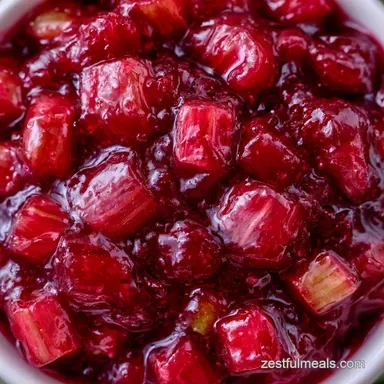
Fresh Fruit Rhubarb Jam: Tangy and Velvety
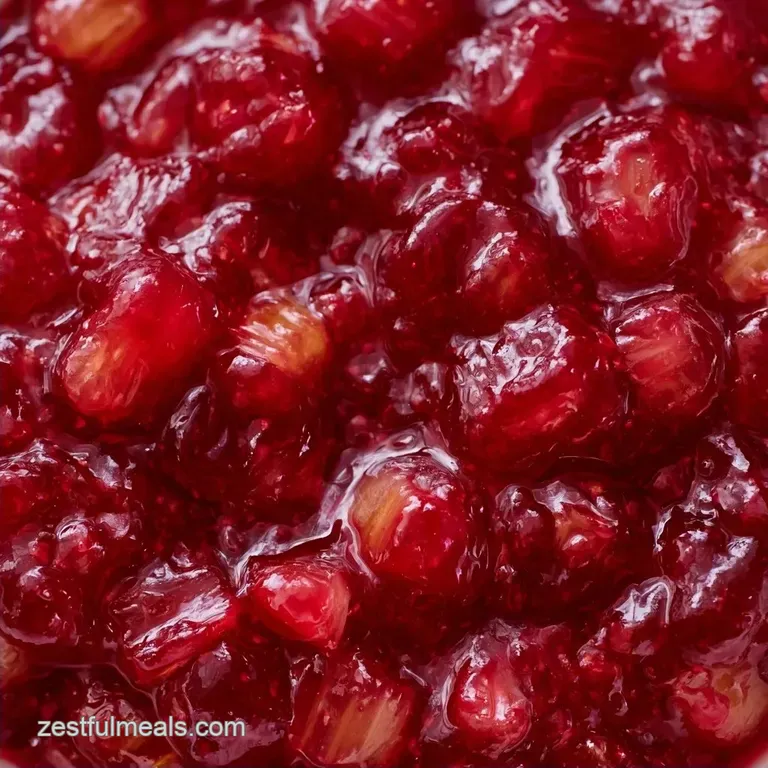
- Time:15 minutes active + 30 minutes cook = 45 minutes total
- Flavor/Texture Hook: Tangy, velvety, and brightly acidic
- Perfect for: Weekend brunch, toast, or as a gift for neighbors
The smell of simmering rhubarb is something else, right? It starts as this sharp, almost grassy scent and then, as the sugar hits, it transforms into this warm, candy like aroma that fills the whole kitchen.
I remember the first time I tried this; I forgot to add the lemon zest, and while it tasted okay, it lacked that bright, high note "zing" that makes it pop.
Now, I'm a total morning person who lives for a lazy brunch. There's nothing like waking up, putting the kettle on, and slathering a thick layer of this on toasted sourdough. It's a quick win because you don't need a mountain of equipment, just a heavy pot and some patience.
You can expect a spread that is vibrant pink, slightly translucent, and has a velvety consistency. This Rhubarb Jam doesn't need fancy additives to work, just the right temperature and a bit of stirring. Let's crack on.
Easy Homemade Rhubarb Jam Recipe
- Pectin Activation
- Rhubarb has natural pectin, but it needs acid (lemon juice) to bond and create a gel.
- Sugar Saturation
- Sugar doesn't just sweeten; it binds water molecules, preventing the fruit from breaking down into a soup.
- Thermal Reduction
- Boiling the mixture evaporates excess water, concentrating the flavor and thickening the syrup.
- Acid Balance
- Lemon juice lowers the pH, which helps the pectin set and keeps the color bright.
Whether you use fresh stalks from the garden or store-bought, the result changes slightly. Most people think frozen is a cheat, but it actually breaks down the cell walls, sometimes making the jam set faster.
| Method | Prep Time | Texture | Best For |
|---|---|---|---|
| Fresh Rhubarb | 15 minutes | Chunkier, brighter | Fresh spring brunch |
| Frozen Rhubarb | 5 minutes | Smoother, softer | Year round convenience |
| Pre cut/Frozen | 2 minutes | Very soft | Super quick fixes |
This approach focuses on the raw components of the fruit to ensure you get that classic, old-fashioned feel without adding unnecessary fillers.
Component Analysis
| Ingredient | Science Role | Pro Secret |
|---|---|---|
| Rhubarb | Pectin Source | Cut into exact 1/2 inch pieces for uniform cooking |
| Sugar | Preservative/Set | Use granulated for the cleanest "shatter" and set |
| Lemon Juice | pH Regulator | Fresh is mandatory; bottled is too muted |
| Water | Solvent | Just enough to prevent early scorching |
Shopping List Essentials
For this, you'll need ingredients that are fresh and high-quality. Honestly, don't even bother with low grade sugar; the purity helps the jam stay clear.
- 3 lbs fresh rhubarb, chopped into 1/2 inch pieces Why this? Provides the bulk and the natural pectin base
- 2 cups granulated sugar Why this? Essential for the gel structure and preservation
- 2 tbsp fresh lemon juice Why this? Activates pectin and balances sweetness
- 1 tsp lemon zest Why this? Adds essential aromatic oils for brightness
- 1/4 cup water Why this? Helps the sugar dissolve without burning
If you're out of lemon, a tiny bit of apple cider vinegar works, but it adds a fermented note that changes the vibe. For the sugar, coconut sugar is an option, but it'll turn the jam brown and make it taste like molasses.
The Tool Kit
You don't need a professional lab, but a few specific tools make this much easier.
- Large heavy bottomed stainless steel pot (prevents hot spots)
- Digital candy thermometer (for precision)
- Sterilized half pint canning jars (8 total)
- Slotted spoon or silicone spatula
- Small bowls for the chilled plate test
Step by step Guide
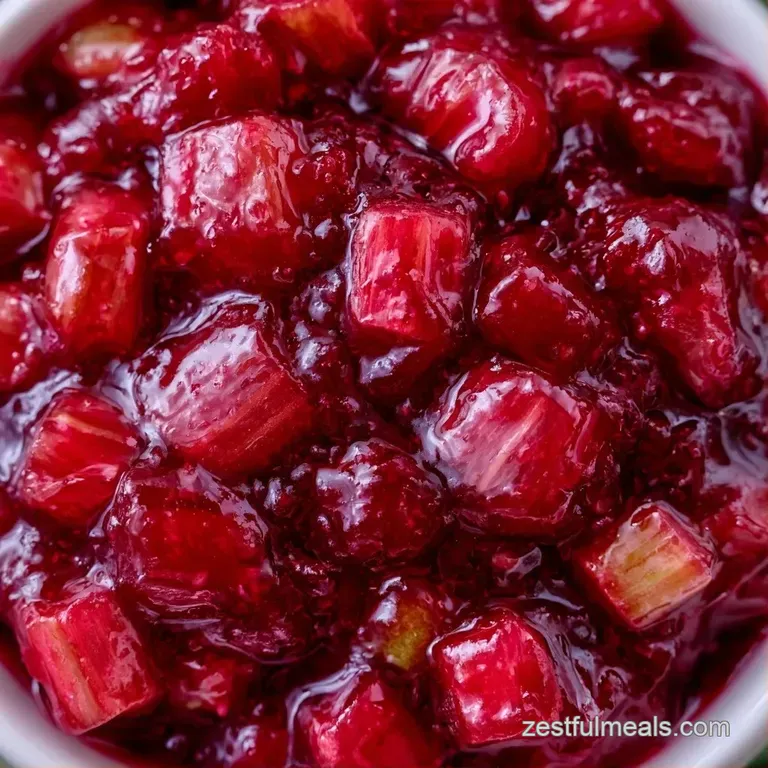
- Wash the rhubarb thoroughly under cold water, trim the ends, and chop the stalks into uniform 1/2 inch pieces.
- Combine the chopped rhubarb, granulated sugar, water, and lemon juice in a large heavy bottomed stainless steel pot.
- Heat the mixture over medium high heat until the sugar dissolves and the rhubarb releases its juices. Note: You'll smell a sweet, tart scent as the sugar melts.
- Reduce heat to medium and simmer, stirring frequently to prevent crystallization.
- Cook until the mixture reaches 220°F (104°C) on your thermometer. Note: The bubbles will transition from small and frothy to large, slow popping bubbles.
- Perform the chilled plate test: drop a spoonful onto a cold plate; if it wrinkles when pushed, it's ready.
- Ladle the hot jam into sterilized canning jars, leaving 1/4 inch of headspace.
- Wipe the rims clean and apply lids and rings.
- Process in a boiling water bath for 10 minutes until the jars are sealed and safe.
Chef: To avoid that annoying white foam on top, stir in a tiny knob of butter right before the jam reaches its final temperature. It breaks the surface tension and keeps the jam crystal clear.
Tips and Common Mistakes
But what about the sogginess? Or the sugar crystals? Most people struggle with the "set." If your jam is too runny, you probably pulled it off the heat too early. Trust the thermometer over your eyes.
Avoiding the Runniness
If the jam doesn't set, it's usually because the temperature didn't hit that 220°F mark. Pectin is picky; it needs that exact heat to create the network.
Preventing Sugar Crystals
Stirring too aggressively once the jam is thick can introduce air and cause crystallization. Be gentle with your spatula.
Eliminating Surface Foam
Foam is just trapped air and protein. You can skim it off with a spoon or use the butter trick mentioned above.
| Problem | Root Cause | Solution |
|---|---|---|
| Jam is too runny | Under boiled / Low acid | Re boil to 220°F or add 1 tsp lemon juice |
| Gritty texture | Undissolved sugar | Stir more frequently in the early stages |
| Dark color | Over cooking / Burnt sugar | Use a heavier pot and lower the heat |
- ✓ Use a digital thermometer for accuracy
- ✓ Sterilize jars in boiling water for 10 mins
- ✓ Don't over stir during the final simmer
- ✓ Use fresh lemon, never the bottled stuff
- ✓ Keep headspace at exactly 1/4 inch
Ways To Mix It
Once you've got the hang of the base, you can really play around with it. For instance, adding a pinch of cinnamon or a splash of vanilla extract during the final simmer makes it feel more like a cozy breakfast treat.
If you want something more complex, you can try a strawberry rhubarb jam by swapping half the rhubarb for crushed strawberries. This balances the tartness with a more classic berry sweetness.
Another twist? Stir in some finely grated fresh ginger. The heat of the ginger cuts through the sugar and makes the Fruit Rhubarb Jam taste incredibly fresh. If you're feeling fancy, a teaspoon of orange blossom water added at the end gives it a floral, Mediterranean vibe.
Preservation and Storage
This Rhubarb Jam is built to last if you follow the water bath method. If you've processed them correctly, the sealed jars will stay good in a cool, dark pantry for about a year.
For unsealed jars, keep them in the fridge for up to 3 weeks. You can also freeze jam, but be careful the water content can expand and crack the glass. Leave plenty of room at the top of the jar.
Regarding zero waste, don't throw away the rhubarb ends or the peelings from the zest. Simmer the ends with a bit of water and sugar to create a light rhubarb syrup. This syrup is an absolute win drizzled over pancakes or used in a morning soda.
Serving and Enjoying
The best way to eat this is on a warm, buttered piece of toast. The way the jam melts into the butter is just velvety. It's also a total winner when swirled into plain Greek yogurt with some toasted almonds for a bit of crunch.
For those who love a decadent brunch, try it as a topping for thick Belgian waffles. The acidity of the Fruit Rhubarb Jam cuts right through the richness of the maple syrup.
If you have leftover jam, it makes a great base for a dessert. I love pairing it with some rhubarb ice cream for a double hit of that tart flavor. Trust me on this, the contrast of the cold cream and the tangy jam is an absolute treat for the taste buds.
Recipe FAQs
How to make rhubarb jam?
Combine chopped rhubarb, sugar, water, and lemon juice in a stainless steel pot. Heat over medium high until sugar dissolves, then simmer on medium until the mixture reaches 220°F (104°C).
What can I make with rhubarb besides pie?
Rhubarb jam is an excellent alternative. You can use it as a tart spread for toast, a swirl in yogurt, or a filling for thumbprint cookies.
What sweet flavors pair well with rhubarb?
Lemon is the best pairing for this recipe. The addition of lemon juice and lemon zest cuts through the tartness of the rhubarb to create a balanced sweetness.
Is it true that all homemade fruit jams set the same way?
No, this is a common misconception. Different fruits have varying levels of natural pectin, which is why using a thermometer to hit exactly 220°F (104°C) is critical for this specific recipe.
Why is my rhubarb jam too runny?
You likely pulled the pot off the heat too early. Trust your digital candy thermometer over your eyes to ensure the jam reaches the proper setting point.
How to prevent sugar crystallization in the jam?
Stir the mixture frequently while simmering on medium heat. Constant movement prevents the sugar from clumping or crystallizing before the jam reaches 220°F (104°C).
How to safely can rhubarb jam for storage?
Process the filled jars in a boiling water bath for 10 minutes. Ensure you leave 1/4 inch of headspace and wipe the rims clean before applying the lids.
Fresh Fruit Rhubarb Jam