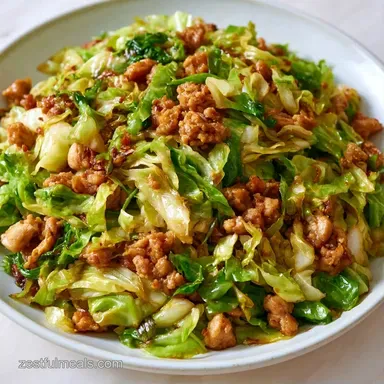
Ground Chicken Cabbage Stir Fry in 25 Minutes
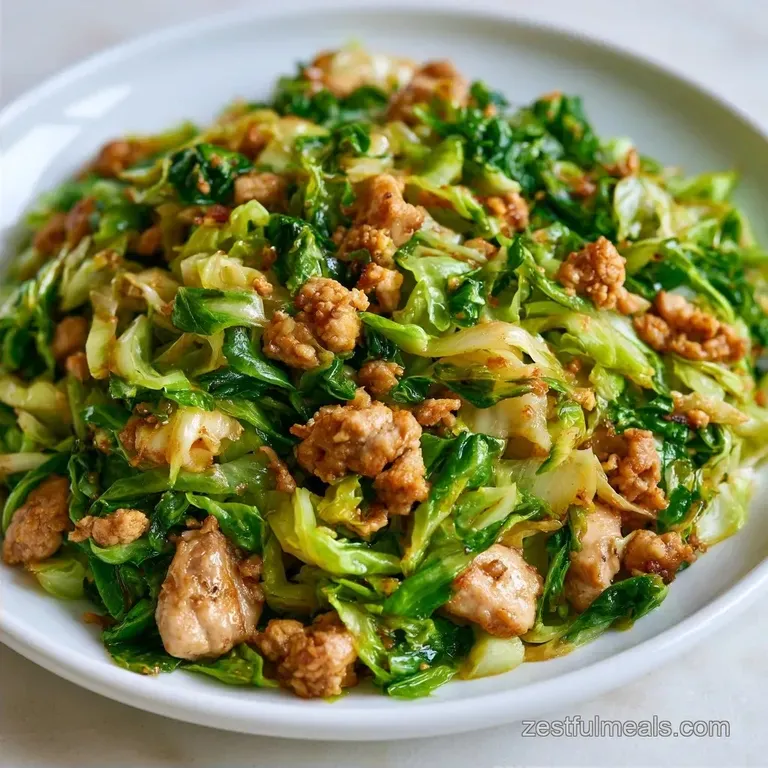
- Duration: 10 min active + 15 min cook
- Sensory Hook: Caramelized cabbage edges with a glossy, savory glaze
- Best for: Busy weeknight dinners or healthy meal prep
Easy Ground Chicken Cabbage Stir Fry
Listen for that first loud sizzle when the chicken hits the hot oil. That's the sound of flavor happening. If the pan is too quiet, you're just steaming the meat, and we want those brown, crispy bits that make a stir fry actually taste like takeout.
I used to spend way too much on "healthy" bowls from the spot down the street, only for the cabbage to arrive limp and the chicken to feel bland. It's a waste of twenty bucks. This Ground Chicken Cabbage Stir Fry gives you that same hit of ginger and soy but costs a fraction of the price.
It's a one pan win that doesn't take over your whole kitchen. You get a massive amount of food because the cabbage bulks everything up without adding a ton of calories. Trust me, it's the easiest way to eat your greens without feeling like you're eating a salad.
Why This One Pan Works
High Heat Sear: Browning the chicken first creates a savory crust. This prevents the meat from tasting bland once the vegetables are added.
Cabbage Timing: Letting the cabbage sit for a minute without stirring creates those charred edges. It adds a smoky depth that balances the sweetness of the honey.
Sauce Emulsification: Adding the sauce at the very end on high heat thickens it quickly. This ensures the glaze clings to the chicken instead of pooling at the bottom.
The Ingredient Breakdown
I've found that using Napa cabbage is the move here. It has a higher water content than green cabbage, so it wilts faster and absorbs the sauce better. If you're on a tight budget, regular green cabbage works too, it just needs an extra two minutes in the pan to soften up.
The balance of rice vinegar and honey is what makes this taste professional. The vinegar cuts through the fat of the chicken, while the honey gives the sauce a glossy finish. It's a simple trick that keeps the dish from tasting one dimensional.
| Ingredient | What It Does | Best Swap |
|---|---|---|
| Ground Chicken | Provides lean protein | Ground Turkey (slightly gamier but works) |
| Napa Cabbage | Adds bulk and crunch | Green Cabbage (needs more cook time) |
| Soy Sauce | Adds salt and umami | Coconut Aminos (less salty, slightly sweeter) |
| Honey | Thickens and sweetens | Maple Syrup (adds a woody note) |
Right then, let's look at the full list. I suggest prepping everything before you turn on the stove. Stir fries move fast, and you don't want to be chopping carrots while your garlic is burning.
For the Meat & Aromatics
- 1 lb ground chicken (lean)Why this? Fast cooking and absorbs flavors well
- 1 tbsp neutral oilWhy this? High smoke point, doesn't change flavor
- 1 medium yellow onion, thinly sliced
- 3 cloves garlic, minced
- 1 tbsp fresh ginger, grated
For the Vegetable Base
- 6 cups shredded Napa cabbageWhy this? Tender texture and high water absorption
- 2 cups shredded carrots
- 3 scallions, sliced into 1 inch pieces
For the Stir Fry Sauce
- 3 tbsp soy sauce
- 1 tbsp rice vinegar
- 1 tbsp honey
- 1 tsp toasted sesame oilWhy this? Adds a nutty, aromatic finish
- 1/4 tsp red pepper flakes
The Right Tools
A wide pan is essential for this dish. A wok is the best choice because its curved sides funnel ingredients toward the center where the heat is most intense. If you lack one, a large stainless steel skillet is a great substitute. Avoid using a small pan, as the cabbage will end up steaming instead of charring.
To break up the ground chicken, use a wooden spoon or a sturdy spatula. The goal is to get small, separate crumbles rather than large clumps. I also recommend whisking the sauce in a small bowl ahead of time so you aren't scrambling with measuring spoons while the pan is sizzling.
How to Cook It
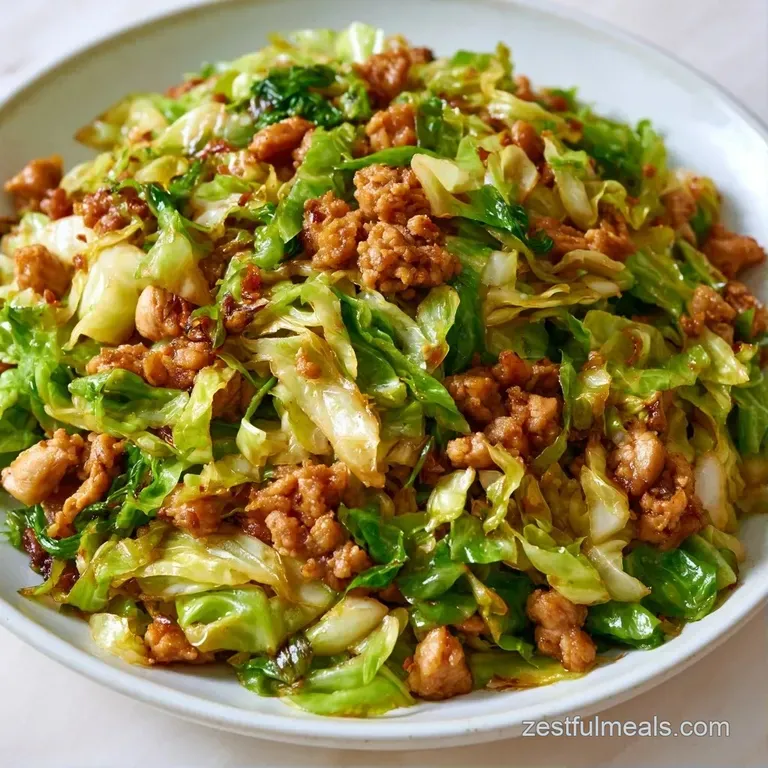
- Combine the soy sauce, rice vinegar, honey, sesame oil, and red pepper flakes in a small bowl. Note: This helps the honey dissolve completely into the vinegar.
- Heat the neutral oil in your wok over medium high heat until it shimmers.
- Stir in the ground chicken, breaking it up with a spatula. Cook for 5-7 mins until the meat is golden brown and no longer pink.
- Use a slotted spoon to transfer the chicken to a plate. Note: This prevents the meat from overcooking and keeps it juicy.
- Add the sliced onion to the leftover oil in the pan. Sauté for 2 mins until soft and translucent.
- Stir in the ginger and garlic. Cook for 30 seconds until fragrant.
- Mix in the shredded cabbage and carrots. Stir fry for 4-6 mins, letting the vegetables sit for 30 seconds between stirs until the edges are lightly charred.
- Return the browned chicken to the wok.
- Pour in the sauce and toss on high heat for 2 mins until the sauce is glossy and coats everything evenly.
- Stir in the scallions at the very end and remove from heat.
Fixing Common Issues
A common issue with this recipe is a watery bottom. This typically happens when the pan temperature is too low or you've overcrowded it with cabbage. When vegetables release moisture that can't evaporate quickly, the dish turns into a soup.
If the meat clumps, the pan was likely too cold or the chicken had high moisture content. To get those desired crispy bits, break the meat apart aggressively during the first two minutes.
Preventing Watery Cabbage
Maintain a high heat. If you are doubling the recipe, sauté the vegetables in two batches. This prevents the temperature from dipping and preserves the crisp texture.
Stopping Meat Clumping
Wait for the oil to shimmer before adding the chicken. Use a metal spatula to chop the meat into small pieces while browning.
Balancing Too Much Salt
If the soy sauce makes the dish overly salty, a squeeze of fresh lime juice or an extra teaspoon of honey can cut through the brine.
| Problem | Fix |
|---|---|
| Cabbage is soggy | Increase heat and stir less often |
| Chicken is grey/boiled | Brown meat in smaller batches on high heat |
| Sauce is too thin | Simmer for an extra 60 seconds on high heat |
Ways to Change It
For those on a budget, you can swap the Napa cabbage for a bag of coleslaw mix. It's usually cheaper and saves you ten minutes of chopping. The flavor is almost identical, though the texture is slightly denser.
If you want a heartier meal, serve this Ground Chicken Cabbage Stir Fry with rice or tossed with thick udon noodles. For something with a completely different profile, you might enjoy a fiery chicken ramen when you're craving something soupy and spicy.
Quick adjustments for different goals:
- For a spicier kick: double the red pepper flakes or add sriracha to the sauce.
- For a nuttier flavor: garnish with toasted sesame seeds or crushed peanuts.
- For a lower carb version: skip the honey and use a dash of stevia or just extra ginger.
Fresh ingredients always win, but shortcuts are fine for a Tuesday night. Here is how the two compare:
| Method | Prep Time | Texture |
|---|---|---|
| Fresh Chopped | 10 mins | Crisp and varied |
| Bagged Mix | 2 mins | Uniform and softer |
Save and Store
This meal stores remarkably well. Keep it in a glass container for 3 days. Although the cabbage softens over time, the flavor improves as the sauce penetrates the meat further.
Avoid using a microwave for reheating if possible. Instead, sauté it in a hot skillet for 3 minutes. This restores the charred exterior and keeps the cabbage from becoming mushy.
To minimize waste, save the cabbage cores. Slice them into thin matchsticks and add them to the pan with the carrots for an extra bit of crunch. If you're looking to use more ground chicken from your freezer, try these homemade chicken tenders for another meal this week.
Serving Suggestions
Since this dish is quite hearty, I typically serve it on its own, although it pairs beautifully with steamed jasmine rice. The rice absorbs every drop of the ginger soy glaze, ensuring that no flavor goes to waste.
To make the meal feel a bit more special, add a fried egg with a runny yolk on top. The richness of the yolk combines with the tang of the rice vinegar to create a silky, savory sauce right on your plate.
You can also scoop the stir fry into large lettuce leaves. This creates a fun, handheld wrap experience that is ideal for kids or a laid back gathering. For the best possible crunch, be sure to chill the lettuce in ice water first.
High in Sodium
980 mg 980 mg of sodium per serving (43% 43% of daily value)
The American Heart Association recommends a daily sodium limit of no more than 2,300 mg for most adults to maintain heart health.
Tips to Reduce Sodium
-
Swap Soy Sauce-30%
Replace regular soy sauce with low-sodium soy sauce or coconut aminos to drastically lower the salt content.
-
Dilute the Sauce-15%
Mix the soy sauce with a tablespoon of water or unsalted vegetable broth to maintain volume while reducing sodium.
-
Enhance with Acid-10%
Add a squeeze of fresh lime or lemon juice; the acidity tricks your taste buds into perceiving more flavor without needing salt.
-
Boost Aromatics
Increase the amount of fresh ginger and minced garlic to add punchy, savory depth to the stir fry without adding sodium.
Recipe FAQs
What can I make with ground chicken besides meatballs?
Stir fries, burgers, or taco fillings. If you enjoy the quick browning technique used here, the same process works for making taco meat.
How to prepare a simple chicken stir fry?
Brown the meat first over medium high heat. Sauté your aromatics and vegetables in the same pan, then toss everything with a prepared sauce on high heat for two minutes.
Which vegetables pair best with ground chicken?
Cabbage and carrots are ideal. These ingredients provide a hearty crunch and absorb the soy-honey glaze without releasing excessive moisture.
Is it true that ground chicken always tastes bland in stir fries?
Actually, no. Searing the chicken until golden brown before adding the vegetables creates the savory crust necessary for deep flavor.
Can you achieve charred cabbage without a commercial wok?
Yes, by letting the cabbage sit undisturbed. Allow the vegetables to remain in contact with the hot pan for short intervals without stirring to create smoky edges.
Why does the sauce need to be added at the end?
To ensure it emulsifies and coats the ingredients evenly. Adding it during the final high heat toss thickens the glaze quickly so it clings to the chicken instead of pooling.
Ground Chicken Cabbage Stir Fry