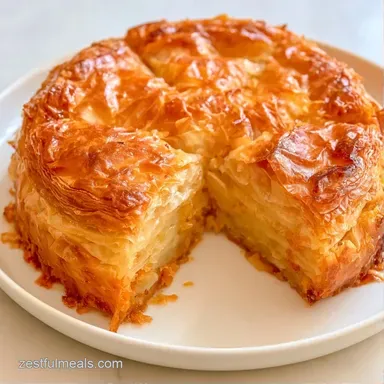
Homemade Phyllo Dough from Scratch
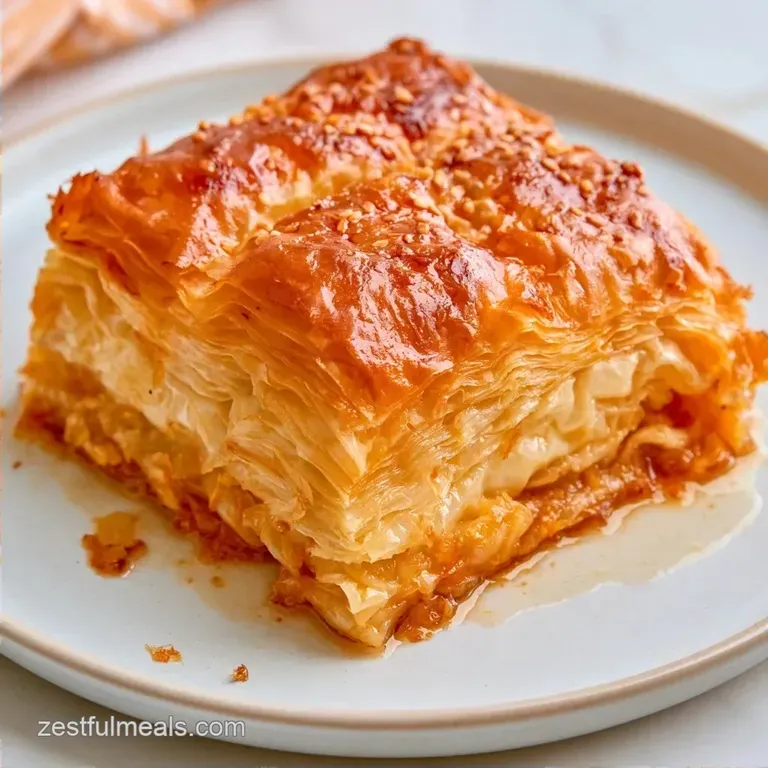
- Time:30 minutes active + 1 hour resting
- Flavor/Texture Hook: Paper thin, golden, and shattering crisp
- Perfect for: Holiday appetizers or impressive dinner party desserts
- Handmade Phyllo Dough from Scratch
- Essential Gear for Thin Sheets
- Phyllo Dough Ingredient Deep Dive
- Phyllo Dough Recipe Specs
- Phyllo Dough Step-by-Step Instructions
- Phyllo Dough Pro Tips and Pitfalls
- Phyllo Dough Storage and Reheating
- Phyllo Dough Variations and Substitutions
- Phyllo Dough Pairing Ideas
- Recipe FAQs
- 📝 Recipe Card
I can still recall the scent of melted butter and toasted walnuts wafting through my grandmother's kitchen. Each Christmas, she would take over the whole wooden table, coating the surface in a fine mist of cornstarch and flour.
With nothing more than a heavy rolling pin and an immense amount of patience, she worked her magic. I remember staring in awe as she stretched a simple ball of dough until it was nearly see-through.
While crafting your own Phyllo Dough might seem daunting, it really only requires a handful of basic pantry staples. The aim is simply to achieve that signature, crackling crunch that elevates any pastry. Once you find your flow with the rolling pin, the process becomes surprisingly calming.
Prepare for a bit of a forearm workout, but the payoff is incredible. This tutorial will help you steer clear of the rubbery consistency that comes from rushing the process. We'll prioritize the resting time and the proper dusting method, as these are the critical factors that ensure success.
Handmade Phyllo Dough from Scratch
Vinegar's Role: The acid helps break down the gluten network just enough so the dough stretches instead of springing back. It's the trick that makes this dough manageable.
Cornstarch Dusting: Using cornstarch instead of just flour prevents the sheets from sticking to the table and keeps them from absorbing too much moisture. This is what ensures that shattering crisp when it hits the oven.
The Resting Phase: Letting the dough sit for an hour lets the proteins relax completely. If you skip this, you'll spend an hour fighting a dough that refuses to grow.
| Fresh Phyllo Dough | store-bought Sheets | Impact on Dish |
|---|---|---|
| More elastic, tastes of olive oil | Preservatives, drier texture | Fresh feels richer |
| Customizable thickness | Uniform, but can be brittle | Fresh is more flexible |
| Requires 90 mins prep | Instant use | Fresh takes more time |
Essential Gear for Thin Sheets
Having the right equipment makes this process much smoother. A spacious, flat workspace is essential utilize a long wooden table or a clean countertop if available. The more room you have, the thinner you can roll your sheets.
A heavy rolling pin is indispensable, with a tapered French style offering the best control over the edges. You will also need quality plastic wrap to ensure the dough doesn't dry out while resting; if a skin forms on the surface, the dough will tear as soon as you begin rolling.
Phyllo Dough Ingredient Deep Dive
| Component | Purpose | Substitute Notes |
|---|---|---|
| All Purpose Flour | Provides structure | Bread flour works but makes it chewier |
| Warm Water | Hydrates the flour | Room temp is okay, but warm is faster |
| Olive Oil | Adds elasticity and flavor | Vegetable oil works but lacks the Greek taste |
| White Vinegar | Relaxes gluten | Lemon juice works as a pinch of acid |
| Cornstarch | Prevents sticking | Rice flour is a decent alternative |
Phyllo Dough Recipe Specs
- 2 cups (250g) all purpose flour Why this? Balanced protein for stretch
- 3/4 cup (180ml) warm water
- 2 tbsp (30ml) olive oil Why this? Keeps the dough supple
- 1 tsp (6g) salt
- 1 tsp (5ml) white vinegar Why this? The key to elasticity
- 1/2 cup (60g) cornstarch (for dusting)
- 1/2 cup (60g) all purpose flour (for dusting)
Phyllo Dough step-by-step Instructions
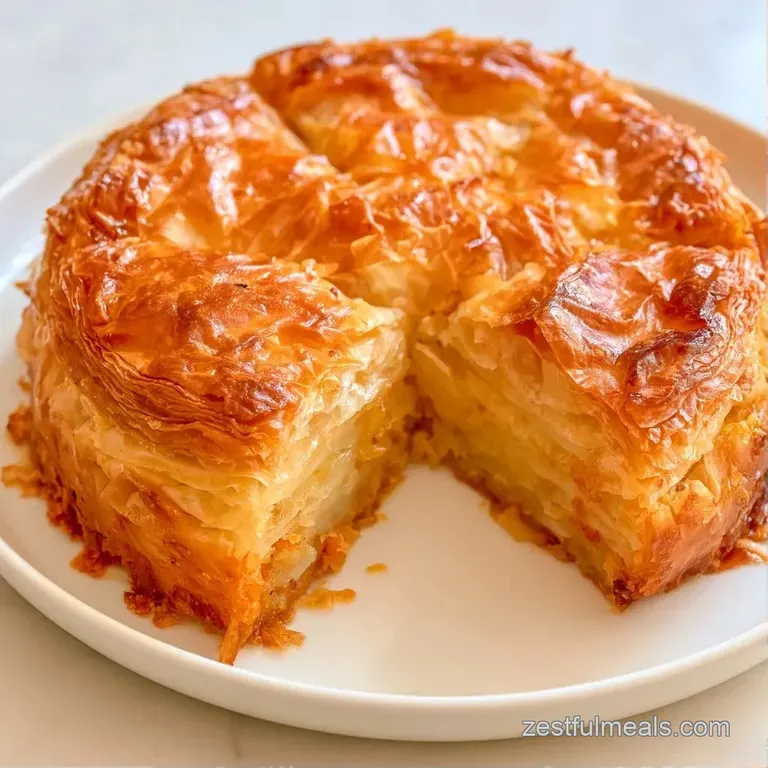
Phase 1: Mixing and Kneading
- Whisk together the 2 cups (250g) of flour and salt in a large bowl.
- Create a well in the center of the dry ingredients and pour in the warm water, olive oil, and vinegar.
- Stir with a spoon until a shaggy dough forms, then turn it onto a lightly floured surface.
- Knead the dough for 5-7 minutes until it feels smooth and elastic. It should feel like a soft earlobe, not sticky or stiff.
Phase 2: The Essential Rest
- Shape the dough into a smooth ball and wrap it tightly in plastic wrap. Note: Any air gap will cause the dough to dry out.
- Let the dough rest at room temperature for at least 1 hour. Trust me on this, the gluten needs this time to stop fighting you.
Phase 3: Rolling and Stretching
- Divide the rested dough into small portions and roll them into balls.
- Mix the cornstarch and dusting flour together in a small bowl.
- Roll the dough into paper thin sheets using the cornstarch blend until you can almost see the table through the dough.
- Layer the sheets with a bit of cornstarch between each one to keep them separate.
Phyllo Dough Pro Tips and Pitfalls
Making Phyllo Dough is a learning process, and your first few sheets might not be a work of art. The most important thing is not to panic when things don't look like a store-bought box.
Fixing Teary Sheets
If the dough rips, just overlap another sheet over the gap. Because you use so many layers in these recipes, a small hole doesn't actually matter. To prevent it next time, use more cornstarch. The dough should glide across the table, not drag.
Handling Rubbery Dough
A rubbery texture usually means the dough wasn't kneaded enough or didn't rest long enough. If you feel the dough shrinking back as you roll, stop immediately. Wrap it back up and let it rest for another 20 minutes. It's just the gluten telling you it's not ready.
Achieving Consistent Thickness
Start from the center and roll outward. If you notice one side is thicker, use your rolling pin to gently push the dough toward the thin area. Keep your movements light, and don't press down too hard, or you'll squash the air out of the layers.
Phyllo Dough Storage and Reheating
Managing moisture is key to keeping Phyllo dough fresh. For sheets not used right away, layer them with cornstarch and wrap the stack securely in plastic. Store these in the refrigerator for no more than 2 days to prevent the dough from drying out or fermenting.
For extended storage, the freezer is the best option. Wrap the sheets in plastic and then foil; they will remain fresh for approximately 2 months. To thaw, place the dough in the fridge overnight. Avoid counter thawing, as the resulting condensation can make the sheets gummy.
To avoid waste, make use of the leftover edge scraps. These can be rolled out again into smaller portions or used as a sturdy bottom layer for a pie where visual perfection isn't required.
Phyllo Dough Variations and Substitutions
You can easily tweak this recipe depending on what you're making. If you're going for a heartier feel, you can swap 1/4 cup of the all purpose flour for whole wheat pastry flour. It will be slightly less translucent, but it adds a nice nutty flavor.
For those who love sweets, you can use this as a base for Apple Strudel recipe which uses Phyllo Dough to get that classic, flaky crust. Just be sure to brush each layer with melted butter to keep it from drying out in the oven.
If you're looking for something more substantial, you might notice this is very different from Empanada Dough, as Phyllo Dough is significantly thinner and designed to shatter rather than hold a heavy filling.
For Sweet Cravings (Phyllo Dough Recipes Dessert)
Try adding a tablespoon of sugar to the flour mix. This helps the dough caramelize more quickly in the oven, giving you a deep golden color. It's great for baklava or honey soaked pastries.
For Savory Dinners (Phyllo Dough Recipes Savory)
For savory pies, try replacing the white vinegar with a teaspoon of lemon juice. It adds a brightness that cuts through the richness of cheese or spinach fillings.
Phyllo Dough Pairing Ideas
Because this pastry is so airy, it pairs perfectly with fillings that provide richness or moisture. A classic combination of creamy feta and spinach is the gold standard for a reason, as the saltiness of the cheese offsets the buttery layers of the crust.
For a dessert option, try pairing the pastry with a tart berry compote or a light drizzle of honey and a dash of cinnamon. The contrast between the crisp shell and a soft, jammy center is what gives these treats a professional touch.
You are now ready to create your own homemade Phyllo Dough. It requires a bit of patience and plenty of cornstarch, but the aroma of it baking in the oven makes every minute of work worthwhile. Just remember to let the dough rest, keep it covered, and don't worry if you encounter a few tears. Happy baking!
Recipe FAQs
How do I make phillo dough?
Whisk flour and salt, then mix in warm water, olive oil, and vinegar. Knead the dough until smooth and roll it into paper thin sheets.
Is phyllo dough just puff pastry?
No, this is a common misconception. Puff pastry relies on layers of folded butter for lift, while phyllo consists of extremely thin sheets brushed with fat.
What can you substitute for phyllo dough?
Spring roll wrappers or thin tortillas work as quick alternatives. If you enjoyed managing the elasticity of this dough, see how the same kneading principles apply to our buttermilk style muffins.
Where would phyllo dough be in the grocery store?
Look in the freezer section. It is typically stored near the frozen puff pastry or pie crusts.
What are the steps for making baklava at home?
Layer paper thin sheets of dough with melted butter and chopped nuts. Bake until golden and pour a sweet syrup over the hot pastry.
Is it hard to make baklava from scratch?
This one's false: it just requires patience during the rolling process. The addition of vinegar makes the dough much easier to stretch without it snapping back.
Which things can you make using phyllo dough?
Use it for savory spansakopita or sweet baklava. It also works well for wrapping feta cheese or creating crisp appetizer nests.
Do I need a machine to roll it thin?
Not true. You can achieve transparent sheets using a rolling pin and a dusting of cornstarch and flour.
Homemade Phyllo Dough