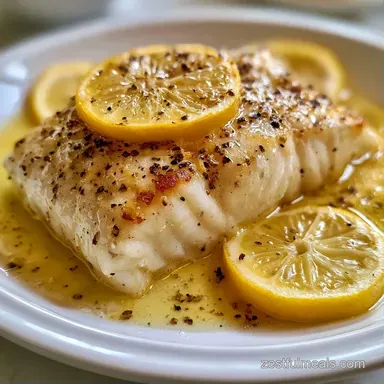
Healthy Lemon Pepper Baked Cod
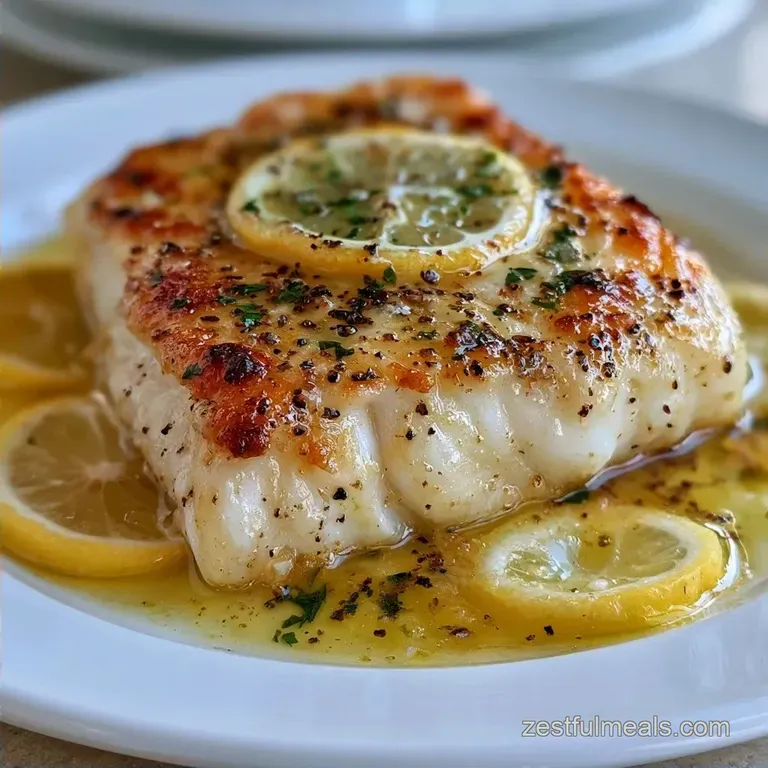
- Time: 10 min active + 12 min cook
- Flavor/Texture Hook: Tangy, buttery, and flaky
- Perfect for: Busy weeknight dinners for the family
Lemon Pepper Baked Cod
The smell of bubbling butter and fresh lemon hits you the second you open the oven door. I remember the first time I tried making white fish for my kids. I overcooked it until it was like chewing on a pencil eraser, and they wouldn't touch it.
I realized I was treating it like a chicken breast, but fish needs a much faster, more precise approach.
Now, I use this method every few weeks because it's a win for the budget and the clock. You don't need a bunch of fancy equipment, just a baking sheet and a few pantry staples. It's the kind of meal that feels like you put in a lot of effort, but you're actually just letting the oven do the heavy lifting.
This Lemon Pepper Baked Cod is all about balance. The acidity of the lemon cuts through the richness of the butter, and the cracked pepper adds a bit of a bite. It's simple, clean, and doesn't overwhelm the natural taste of the cod.
Why This Method Works
- High Heat: Using 200°C (400°F) ensures the outside sets quickly while the inside stays juicy.
- Butter Glaze: The fat in the butter acts as a shield, preventing the fish from drying out during the bake.
- Parchment Lining: This stops the fish from sticking and means you spend zero time scrubbing the pan.
| Method | Time | Texture | Best For |
|---|---|---|---|
| Oven Bake | 12 mins | Flaky and uniform | Families/Large batches |
| Stovetop | 6-8 mins | Seared and crisp | Single servings/Fastest |
| Poaching | 10 mins | Soft and tender | low-fat diets |
Ingredient Role Breakdown
The ingredients here aren't just for flavor, they actually change how the fish behaves in the oven.
| Ingredient | What It Does | Best Swap |
|---|---|---|
| Unsalted Butter | Creates a silky moisture barrier | Olive oil (for dairy-free) |
| Lemon Juice | Breaks down tough proteins for tenderness | Lime juice |
| Garlic Powder | Adds depth without burning like fresh garlic | Onion powder |
| Cod Fillets | Provides a mild, flaky base | Halibut or Haddock |
Shopping List and Swaps
When you're at the store, look for thick cut fillets. If they're too thin, they'll cook in 8 minutes instead of 12, and you might miss the window before they get dry.
- 680g (1.5 lb) Cod fillets Why this? Mild flavor and holds the glaze well
- 1 tbsp olive oil Why this? Stops the fish from sticking to parchment
- 1/2 tsp sea salt Why this? Enhances the natural fish flavor
- 1/2 tsp cracked black pepper Why this? Adds a mild, earthy heat
- 2 tbsp unsalted butter, melted Why this? Adds richness and prevents drying
- 2 tbsp fresh lemon juice Why this? Brightens the overall flavor
- 1 tbsp fresh lemon zest Why this? Contains the aromatic oils for a punchy scent
- 1 tbsp lemon pepper seasoning Why this? Layers the citrus and pepper notes
- 1 tsp garlic powder Why this? Even distribution of savory flavor
- 1 tbsp fresh parsley, chopped Why this? Fresh contrast to the rich butter
If you don't have fresh parsley, dried parsley works, but you have to rub it between your palms first to wake up the oils. For the butter, I usually use a brand like Kerrygold for a richer taste, but any unsalted butter is fine.
Essential Kitchen Tools
You don't need a professional kitchen for this. A basic rimmed baking sheet is the most important part so the butter doesn't leak onto your oven floor.
I prefer using a small whisk for the glaze, but a fork works just as well. A pastry brush is helpful for getting the glaze evenly across the fillets, though a spoon works if you're just winging it. Using parchment paper is a non negotiable for me, as it saves so much cleanup time on weeknights.
The Cooking Process
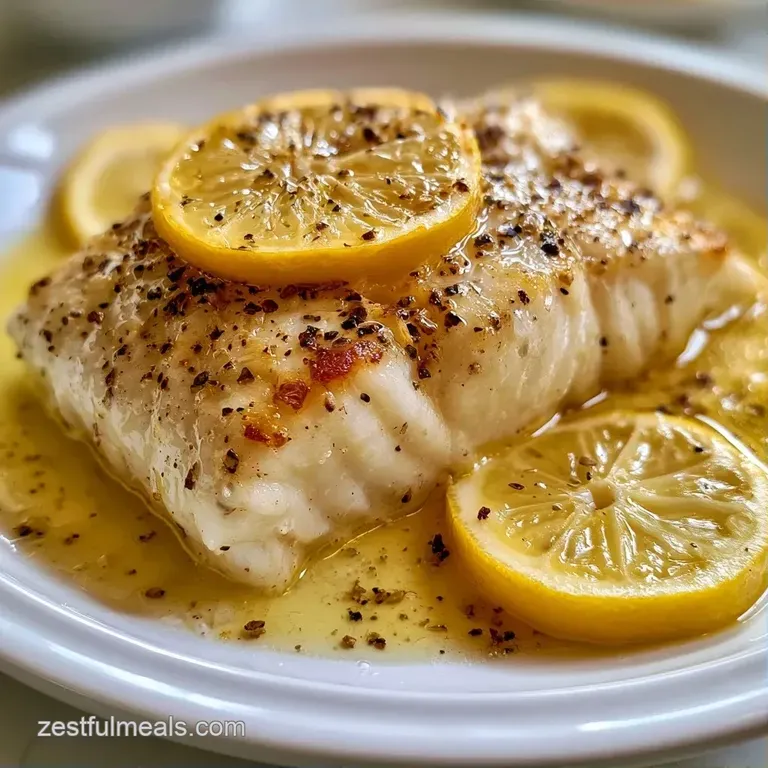
Get your oven ready first. You want that heat consistent before the fish goes in.
Phase 1: Prepping the Canvas
Preheat your oven to 200°C (400°F). Line your baking sheet with parchment paper and brush it with 1 tbsp of olive oil. Pat the cod fillets completely dry with paper towels. This is a step most people skip, but if the fish is wet, the seasoning just slides off.
Phase 2: The Flavor Infusion
In a small bowl, whisk your melted butter, lemon juice, lemon zest, lemon pepper seasoning, and garlic powder. Stir until it looks like a smooth emulsion. Place your fillets on the pan and sprinkle both sides with the sea salt and black pepper. Brush the lemon butter glaze generously over the top of each fillet.
Phase 3: The Precision Bake
Place the tray on the center rack. Bake for 10 to 12 minutes. You're looking for the flesh to turn opaque and flake easily with a fork. According to Serious Eats, the internal temperature should hit 63°C (145°F) for safe and juicy fish. Let the fillets rest for 2 minutes before adding the chopped parsley.
Fixing Common Fish Problems
Fish is temperamental. A couple of minutes can be the difference between a great meal and a rubbery one.
Overcooked Rubberiness
If the fish feels bouncy or rubbery, it stayed in the oven too long. Cod has very little fat, so it loses moisture quickly once it hits that 63°C mark. Next time, pull it out a minute early.
Lacking Zing
If the flavor feels flat, you might have used bottled lemon juice. Fresh lemon juice has a brightness that bottled versions just can't match. Adding an extra squeeze of fresh lemon right before serving usually fixes this.
Wet Texture
This usually happens if you didn't pat the fillets dry or if the fish was frozen and not thawed properly. Excess water steams the fish instead of roasting it.
| Problem | Root Cause | Solution |
|---|---|---|
| Rubbery fish | Overcooked | Use a meat thermometer; pull at 63°C |
| Bland taste | Lack of salt/acid | Add a fresh lemon squeeze at the end |
| Mushy fillets | Excess moisture | Pat fillets dry with paper towels |
Customizing Your Dinner
I often change the seasonings based on what's in the pantry. If you want a spicy kick, add 1/2 tsp of smoked paprika or a pinch of cayenne to the butter glaze. This gives the Lemon Pepper Baked Cod a bit of a charred, smoky vibe.
For a dairy-free version, just swap the butter for melted coconut oil or a high-quality vegan butter. The coconut oil adds a very subtle sweetness that actually pairs well with the lemon. If you're watching calories, you can reduce the butter to 1 tbsp and increase the lemon juice to keep the moisture up.
Since this is such a light protein, I love pairing it with something hearty. If you have some sourdough discard in the fridge, making a side of Garlic Pull Apart Bread is a great way to fill up the kids.
Storage and Waste Tips
If you have leftovers, store them in an airtight container in the fridge for up to 2 days. To reheat, don't use the microwave if you can avoid it, as it will turn the fish into rubber.
Instead, put it in a 150°C (300°F) oven for about 5 minutes just to warm it through.
I don't recommend freezing cooked cod, as the texture becomes grainy. However, you can freeze the raw fillets in airtight bags for up to 3 months. Just thaw them in the fridge overnight before you plan to cook.
To avoid waste, don't toss the lemon peels after zesting. I put my leftover peels in a jar with white vinegar to make a natural counter cleaner. Also, if you have extra butter glaze in the bowl, drizzle it over some steamed asparagus or sautéed spinach for an easy side.
Best Sides to Serve
Because the Lemon Pepper Baked Cod is so lean, you need sides that add texture and substance. I usually go for a roasted vegetable or a grain.
A simple quinoa salad or some wild rice works well. If you're looking for something with a crunch, serving this alongside some protein lentil chips can add a nice contrast to the soft fish.
Another great option is a heap of garlicky sautéed kale or roasted carrots. The sweetness of the carrots balances the acidity of the lemon perfectly. Just keep the sides simple so they don't compete with the buttery glaze.
Fish Myths
Myth: Searing fish seals in the juices. This is just not true. Searing adds a lot of flavor and a nice crust, but it doesn't create a waterproof seal. Moisture loss happens regardless of how you start the cook. The real way to keep fish juicy is to monitor the internal temperature.
Myth: Frozen fish is always lower quality. Actually, most "fresh" fish at the grocery store was frozen on the boat anyway. Flash freezing at sea preserves the quality almost perfectly. As long as you thaw it slowly in the fridge, you won't notice a difference in taste or texture.
Recipe FAQs
How long should cod be cooked in the oven?
Bake for 10 12 minutes at 400°F (200°C). Remove the fillets once the internal temperature reaches 145°F (63°C) and the flesh flakes easily with a fork.
What are common mistakes when baking cod?
Overcooking and failing to dry the fish. Leaving fillets in too long makes them rubbery, while moisture on the surface prevents the lemon pepper glaze from adhering.
How to cook cod for diabetics?
Use fresh lemon juice, garlic powder, and olive oil. These ingredients provide intense flavor without adding refined sugars or processed carbohydrates.
What are some good side dishes to serve with fish fillets?
Pair with steamed asparagus, quinoa, or a crisp green salad. If you loved the bright, acidic balance of the lemon here, see how we use similar flavor balancing techniques in our homemade dumplings.
What's the best way to cook 2 inch thick cuts of cod?
Bake at 400°F (200°C) until the center reaches 145°F (63°C). Thicker cuts may require a few extra minutes beyond the standard 12, so use a meat thermometer to avoid overcooking.
How can cod fillets be seasoned for the best flavor?
Pat the fillets dry and apply a butter lemon emulsion. Whisking together melted butter, lemon juice, zest, lemon pepper seasoning, and garlic powder creates a cohesive glaze that clings to the fish.
How to cook cod loin in an oven?
Preheat the oven to 400°F (200°C) and line a sheet with parchment. Coat the loin with the lemon pepper glaze and bake for 10 12 minutes until the flesh flakes easily.
Lemon Pepper Baked Cod