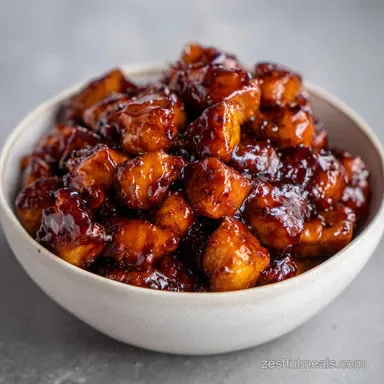
Paleo Chicken Teriyaki: Savory and Sticky
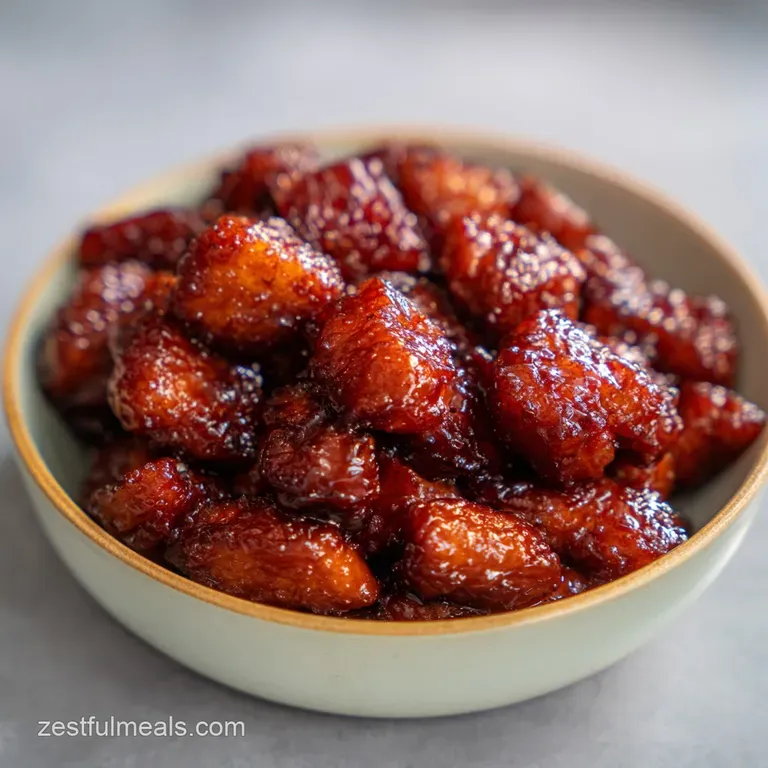
- Time:10 minutes prep + 15 minutes cook = Total 25 minutes
- Flavor/Texture Hook: Velvety, sticky glaze with a golden brown sear
- Perfect for: Busy weeknights and picky kids
The Best Paleo Chicken Teriyaki Recipe
The smell of fresh ginger and garlic hitting hot avocado oil is enough to bring the whole family running to the kitchen. I remember one Tuesday where I was staring at a pack of chicken thighs and a near empty pantry, desperate for something that didn't taste like "diet food." I'd tried a few versions of this before that were too thin, basically just salty water sliding off the meat.
It was a letdown for the kids, who just wanted the sticky, glossy goodness they get from the local spot.
That's where this specific approach comes in. I stopped treating the sauce like a marinade and started treating it like a reduction. By searing the meat first to get that deep, brown crust and then letting the sauce bubble down until it clings to the chicken, everything changes.
This paleo chicken teriyaki recipe isn't about restricting flavor, it's about using the right ingredients to mimic that classic umami punch while keeping things clean for the family.
You can expect a meal that hits all the right notes, from the zing of apple cider vinegar to the earthy sweetness of honey. It's a fast process, but the results feel like you spent hours over the stove.
We're talking about chicken that's tender on the inside and coated in a glaze that's thick enough to actually stay on your fork.
Secrets to the Glaze
I used to wonder why my home-made sauces never looked like the ones in restaurants. It turns out it's all about the reduction process and the sugar source.
The Thickening Effect: Honey doesn't just add sweetness, it provides a viscous structure that traps moisture and creates a glossy sheen. As the water evaporates during the simmer, the honey and coconut aminos concentrate, turning a thin liquid into a velvety coating.
The Tangy Balance: Apple cider vinegar cuts through the richness of the chicken thighs. This prevents the dish from tasting one dimensional or overly sweet, providing a bright contrast that wakes up your taste buds.
The Sear Factor: Cooking the chicken in a single layer without stirring immediately allows the proteins to brown. This creates a textured surface that the sauce can actually grip onto, rather than just sliding off a steamed piece of meat.
| Method | Time | Texture | Best For |
|---|---|---|---|
| Stovetop | 25 minutes | Glossy and sticky | Quick weeknights |
| Oven | 45 minutes | More tender, less crust | Large batches |
It's worth noting that if you're looking for other ways to keep your protein high during the week, my homemade protein bars are a great snack between these kinds of meals.
Ingredient Deep Dive
When you're on a budget, you want every ingredient to pull double duty. In this paleo chicken teriyaki recipe, we aren't using expensive additives, just a few pantry staples that work hard.
| Ingredient | Science Role | Pro Secret |
|---|---|---|
| Coconut Aminos | Umami base | Use a brand with low sodium to control the salt |
| Raw Honey | Thickener/Sweetener | Don't substitute with maple syrup if you want that specific "sticky" feel |
| Apple Cider Vinegar | pH Balance | Adds the "zing" that mimics fermented soy sauce |
| Chicken Thighs | Fat/Flavor carrier | Always use boneless, skinless for the fastest cook time |
Tools for the Job
You don't need a professional kitchen for this, but the right pan makes a massive difference. I always reach for a stainless steel or cast iron skillet. Non stick pans are fine, but they don't develop that deep brown crust on the chicken as effectively.
For the prep, a microplane or a fine grater for the ginger is a must. If you chop ginger with a knife, you often get those little woody chunks that can be off putting. A grater turns it into a paste that blends seamlessly into the sauce.
Finally,, have a meat thermometer ready. It's the only way to ensure the chicken is safe to eat without overcooking it into rubber. According to USDA guidelines, poultry needs to hit a specific internal temp to be safe.
Cooking step by step
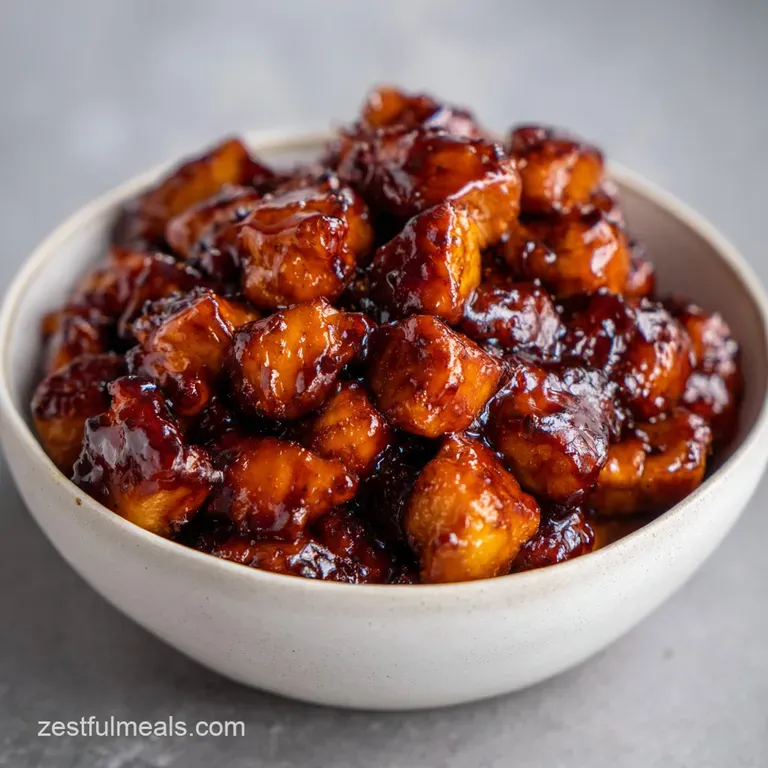
Right then, let's get into the actual making of the meal. Trust me on the "don't stir" rule in step three, it's the secret to the whole thing.
- Whisk the coconut aminos, apple cider vinegar, honey, grated ginger, minced garlic, and onion powder in a small bowl. Note: Mixing this first ensures the honey doesn't just clump in the pan.
- Pat the chicken pieces dry with a paper towel and season lightly with salt and pepper. Note: Dry meat sears, wet meat steams.
- Heat avocado oil in a large skillet over medium high heat until it shimmers.
- Add chicken in a single layer and cook without stirring for 3-4 minutes until a golden brown crust forms.
- Flip the chicken and cook for another 3 minutes until the meat is nearly cooked through.
- Pour the sauce over the seared chicken.
- Reduce heat to medium and stir constantly for 3-5 minutes until the sauce transforms into a thick, velvety glaze.
- Use your thermometer to ensure chicken reaches 165°F (74°C).
- Transfer to a platter and sprinkle with toasted sesame seeds and sliced green onions.
Chef Note: If the sauce thickens too quickly and looks like candy, add a tablespoon of water to loosen it up. You want a glaze, not a syrup.
Solving Common Mistakes
Even with a simple paleo chicken teriyaki recipe, things can go sideways. Most often, it's a heat issue or a timing mistake.
Watery Sauce Fix
If your sauce is still thin after five minutes, you likely have too much liquid or the heat is too low. The sauce needs to reach a simmer to allow the water to evaporate. Turn the heat up slightly and keep stirring.
Rubbery Chicken Fix
This happens when you overcook the meat before adding the sauce. Remember that the chicken continues to cook while the sauce is reducing. Pull the meat off the heat the second it hits 165°F.
Burnt Garlic Fix
Garlic burns quickly and becomes bitter. By mixing the garlic into the sauce first rather than sautéing it alone in the oil, you protect it from the direct high heat of the pan.
| Problem | Root Cause | Solution |
|---|---|---|
| Sauce is too salty | Aminos are too concentrated | Add a squeeze of fresh lime juice |
| Chicken is pale | Pan wasn't hot enough | Wait for oil to shimmer before adding meat |
| Sauce is clumpy | Honey wasn't whisked | Whisk sauce thoroughly before pouring |
Mistakes Checklist:
- ✓ Did you pat the chicken dry?
- ✓ Did you wait 3-4 minutes before flipping the meat?
- ✓ Did you whisk the honey into the aminos completely?
- ✓ Did you check the internal temp with a thermometer?
- ✓ Did you use a wide enough pan to avoid crowding?
Flavor and Diet Variations
This is a very flexible base. If you're making this as a whole30 chicken teriyaki recipe, you'll need to swap the honey for a compliant sweetener like dates or a tiny bit of maple syrup (depending on your strictness).
For those who love a bit of heat, I like to add a teaspoon of sriracha or a pinch of red pepper flakes to the sauce mixture. It gives it a spicy kick that cuts through the sweetness of the honey.
If you're looking for a paleo chicken teriyaki recipe oven version, spread the seared chicken on a sheet pan, pour the sauce over it, and bake at 400°F (200°C) for about 10-12 minutes. It's less "sticky" than the stovetop version but much easier for big crowds.
If you're in the mood for something different with your chicken, you might enjoy this chicken and dumplings recipe for a colder night.
Adding Garden Texture
You can easily toss in some broccoli florets, sliced carrots, or snap peas. Add them during the last 5 minutes of the sauce reduction so they stay crisp and don't turn into mush.
Using Different Meats
While I prefer thighs for the budget and flavor, you can use breast meat. Just be careful with the timing, as breasts dry out much faster. Reduce the searing time by about a minute per side.
Storage and Zero Waste
Don't let the leftovers go to waste. This dish holds up surprisingly well in the fridge, and the flavors actually deepen overnight.
Storage Guidelines: Store the chicken in an airtight container in the fridge for up to 4 days. If you're freezing it, it'll stay good for about 2 months, though the sauce might separate slightly. When reheating, add a splash of water or coconut aminos to the pan to bring the glaze back to life.
Zero Waste Tips: - Save any leftover sauce in a small jar; it's a great marinade for grilled shrimp or a glaze for roasted carrots. - Don't throw away the green onion roots. Wash them and grow them in a glass of water on your windowsill for a constant supply of free onions.
- If you have extra chicken thighs, slice them thin and use them for a quick paleo stir fry the next day.
Best Side Dish Pairings
Since this is a paleo chicken teriyaki recipe, you'll want sides that complement the salty sweet profile without adding grains.
Cauliflower Rice: This is the gold standard. Sauté it with a little garlic and salt, and it absorbs the extra teriyaki glaze perfectly.
Steamed Bok Choy: The bitterness of the greens balances the sweetness of the honey. Just steam them for 3 minutes and drizzle with a bit of sesame oil.
Roasted Sweet Potatoes: For a heartier meal that the kids will love, serve the chicken alongside cubed, roasted sweet potatoes. The sweetness of the potatoes mirrors the glaze beautifully.
Decision Shortcut: - If you want a low carb meal → pair with cauliflower rice. - If you want a filling family feast → pair with roasted sweet potatoes. - If you want a light, fresh dinner → pair with steamed bok choy.
Recipe FAQs
Can I use chicken breasts instead of thighs?
Yes, but thighs are recommended. Breasts cook faster and dry out more easily, so reduce the searing time to avoid toughness. If you enjoyed the technique of searing meat here, see how we apply similar precision in our homemade chicken tenders.
How to store and reheat leftovers?
Place in an airtight container in the fridge for up to 4 days. Reheat in a pan with a splash of water or coconut aminos to bring the glaze back to life.
Is it true that Paleo teriyaki lacks the depth of traditional soy-based versions?
No, this is a common misconception. Coconut aminos provide a similar salty sweet profile, while fresh ginger and garlic maintain the authentic aromatic depth.
How to get a golden brown crust on the chicken?
Pat the chicken pieces dry with a paper towel before seasoning. Heat avocado oil until it shimmers and cook without stirring for 3-4 minutes.
Can I freeze this chicken teriyaki?
Yes, it stays good for about 2 months. The sauce may separate slightly during freezing, but it will reintegrate upon reheating.
How to thicken the sauce if it is too thin?
Simmer the sauce over medium heat for 3-5 minutes. Constant stirring helps the honey and coconut aminos reduce into a thick, velvety glaze.
What is the best way to use leftover sauce?
Use it as a marinade for shrimp or a glaze for roasted carrots. This minimizes waste and adds a sweet savory punch to other vegetables.
Paleo Chicken Teriyaki