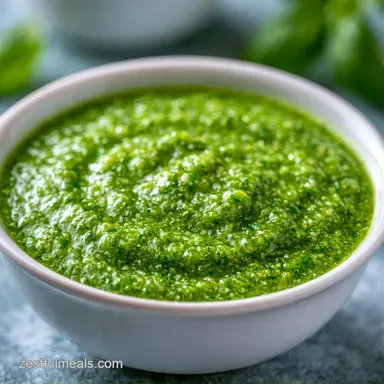
Serrano Hot Sauce Recipe in 25 Minutes
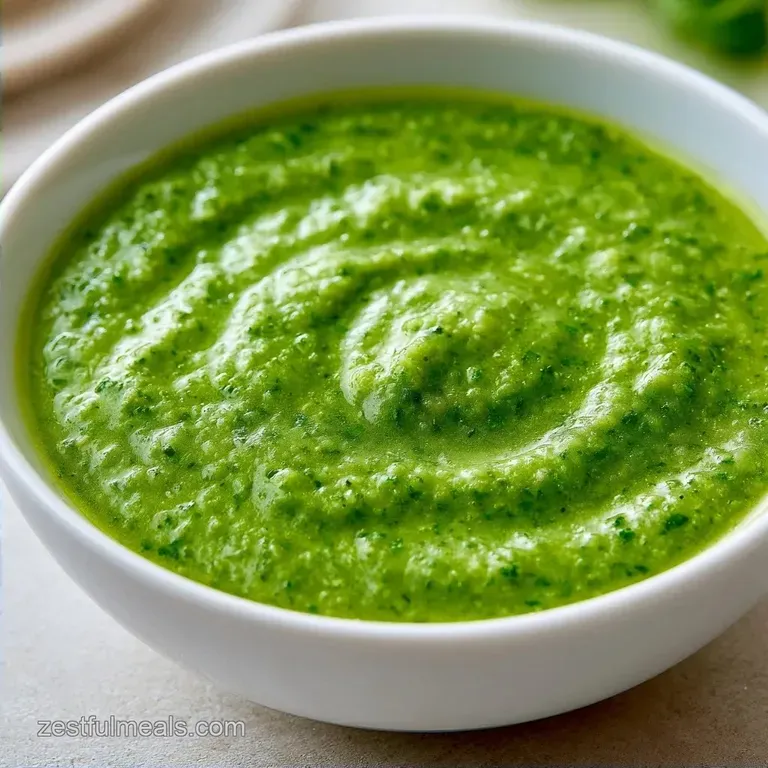
- Preparation: 10 min active + 15 min cook
- Taste & Texture: Tangy, vivid, and smooth with a smoky charred finish
- Best for: Busy parents, taco nights, and meal prep
That pungent, grassy aroma of searing peppers hitting a hot pan is the highlight of the whole process. I initially created this version for my children, who enjoy "spicy" food but can't handle the intense heat of a habanero. We wanted a sauce that felt genuine without scorching their taste buds.
This is the sort of condiment that makes a dull Tuesday night chicken breast feel special. It’s a fast win for anyone who craves a homemade profile but lacks the patience to let a ferment bubble away in a corner of the kitchen.
The result is a brilliant, vibrant green sauce that tastes crisp and zingy. Trust me, once you experience the difference between this and the commercial stuff, you'll never go back. This Serrano Hot Sauce Recipe focuses on using few tools to create maximum flavor.
Easy Serrano Hot Sauce Recipe for Families
The Char: Sautéing the peppers and onions for 5-7 minutes browns the natural sugars. This removes the raw "green" bite and adds a layer of smokiness.
Acid Balance: The mix of distilled white vinegar and lime juice cuts through the heat. It creates a sharp contrast that makes the spicy notes pop without lingering too long on the tongue.
The Simmer: A quick 5 minute boil at the end marries the flavors. It thickens the sauce slightly so it clings to your food instead of running off.
| Method | Time | Texture | Best For |
|---|---|---|---|
| Fast (This Recipe) | 25 mins | Smooth & glossy | Weeknight meals |
| Classic (Fermented) | 2-4 weeks | Thicker, funky | Complex flavor |
Right then, the logic is simple: we want the depth of a slow cooked sauce but we need it on the table in under half an hour. By charring the vegetables first, we fake the complexity that usually takes days to develop.
Quick Recipe Specs
Perfect for anyone wanting a high-quality result without spending hours in the kitchen. It relies on a few pantry basics and a handful of fresh peppers. While any heavy pan works, I've found that a cast iron skillet produces the best char.
Each bottle costs next to nothing compared to artisanal options. Because we use budget friendly staples like distilled vinegar and white onion, it's very affordable. You can easily adjust the heat to ensure the whole family enjoys it.
Everything You'll Need
To ensure consistency, use a kitchen scale for your measurements. This removes the guesswork from the heat level, which is particularly useful when cooking for people with different spice preferences.
- 170g Serrano peppers, stems removed Why this? More vibrant and "grassy" than jalapeños
- 20g Garlic, peeled Why this? Creates a pungent, savory foundation
- 75g White onion, roughly chopped Why this? Adds necessary bulk and sweetness
- 1 tbsp Neutral oil Why this? Stable at high temperatures for better charring
- 120ml Distilled white vinegar Why this? Strong acidity for proper preservation
- 30ml Fresh lime juice Why this? Provides a bright, citrusy finish
- 6g Sea salt Why this? Harmonizes the heat and acid
- 3g Sugar Why this? Softens the intense spice
| Component | Purpose | Substitute Notes |
|---|---|---|
| Serrano Peppers | Primary Heat | Jalapeños: Significantly milder, less "zing" |
| White Vinegar | Preservative | Apple Cider Vinegar: Fruitier and less sharp |
| Lime Juice | Brightness | Lemon Juice: Comparable, but less of a Mexican profile |
| White Onion | Sweetness | Shallots: More delicate and slightly sweeter |
Avoid using low-fat alternatives here. That small amount of oil is essential for achieving the browned, caramelized edges on the onion and pepper. Without it, you are essentially steaming the vegetables, which ruins the smoky depth of the dish.
The Right Tools
No fancy equipment is required for this recipe. I rely on a simple cast iron skillet and a standard blender. While a high speed blender will yield an exceptionally silky sauce, a regular one works perfectly well if you blend for a little longer.
For bottling, I suggest using sterilized glass jars or thoroughly cleaned hot sauce bottles. This helps maintain the fresh flavor and prevents the vinegar from reacting with the storage container.
Making the Sauce
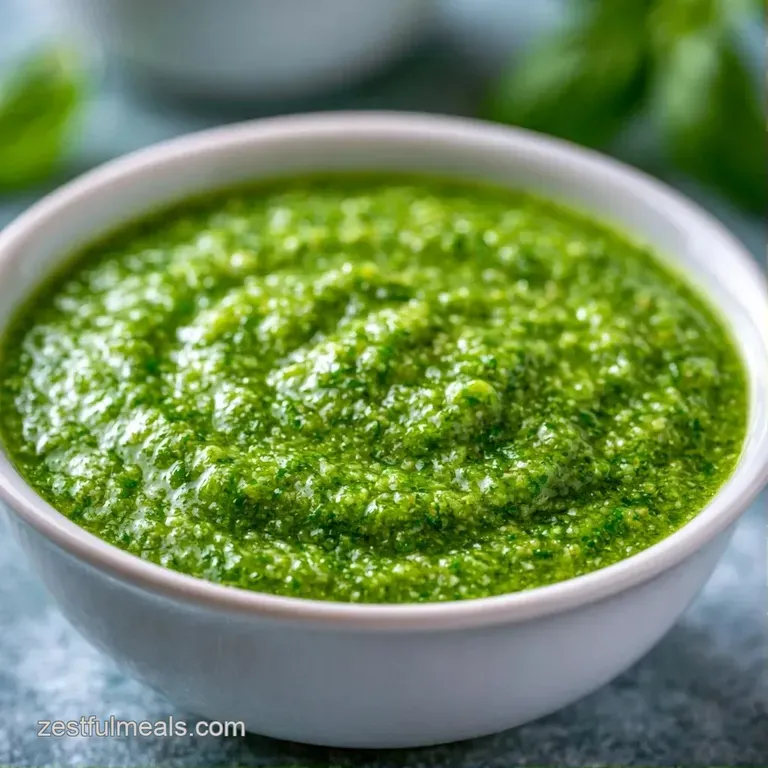
Time to start the cooking process. Ensure your blender lid is securely fastened, as the vinegar may splash when the blades first start spinning.
- Warm the oil in a heavy pan over medium high heat. Note: Ensure the oil is shimmering before adding the vegetables
- Toss the onion chunks, garlic cloves, and serrano peppers into the pan.
- Sauté for 5-7 minutes, stirring occasionally, until the onion edges brown and the pepper skins blister.
- Take the pan off the heat and let it sit for 2 minutes. Note: This helps prevent the blender from overheating
- Transfer the charred vegetables into a high speed blender.
- Pour in the distilled white vinegar, lime juice, salt, and sugar.
- Blend on high for 60-90 seconds until the color is uniform and the sauce is perfectly smooth.
- Pour the blended mixture into a small pot.
- Simmer gently over medium heat for 5 minutes until the sauce thickens slightly.
- Remove from the stove and allow it to cool before pouring into sterilized glass bottles.
Chef's Note: For a thicker consistency, simmer the sauce for an additional 3-5 minutes. Keep a close eye on it to ensure it doesn't reduce too much and become overly salty.
Fixing Common Issues
Even a straightforward Serrano Hot Sauce can have a few hiccups. Often, the solution is simply adjusting the final seasoning. A touch more salt or a bit of lime juice can fix a sauce that tastes "flat."
Taming the Spice
If the heat is too intense for the kids, don't worry. You can mellow the flavor by stirring in extra lime juice or a teaspoon of honey. The citric acid and sugars work to counter the capsaicin on your palate.
Handling Separation
It's common for the vinegar and oil to separate after sitting in the refrigerator for a few days, especially in sauces without stabilizers. A quick shake of the bottle will reintegrate the emulsion before serving.
Maintaining Brightness
Over simmering can cause the vivid green to shift toward a muddy olive brown. To keep the color bright, stick to a light simmer rather than a vigorous boil.
| Problem | Fix |
|---|---|
| Too Spicy | Add 1 tbsp lime juice or 1 tsp honey |
| Too Thin | Simmer for 5 extra minutes |
| Separated | Shake bottle vigorously before use |
| Dull Color | Reduce simmer time; don't overboil |
If you find the sauce separates frequently, consider a different base. Mixing in some homemade guacamole recipe at serving time creates a stable, creamy dip that hides the separation.
Swaps and Variations
This Serrano Hot Sauce recipe is incredibly versatile. You can easily shift the flavor profile depending on the ingredients you have in your pantry.
To introduce some sweetness, I suggest adding 50g of roasted carrots or a small piece of roasted apple; this natural sugar balances the heat of the serranos nicely. Alternatively, adding a half teaspoon of smoked paprika can give you that charred, smoky taste without needing a smoker.
If you're looking for a Tomatillo Serrano Hot Sauce, simply substitute half of the onion with 150g of husked tomatillos. Roast these alongside the peppers to create a thicker, tangier sauce that pairs perfectly with tacos.
For a Fermented Serrano Hot Sauce, skip both the sautéing and simmering phases. Instead, toss the raw garlic and peppers in salt, pack them into a jar with a 2% brine, and leave them for two weeks. This version is more complex and sour, though it demands more patience.
| Goal | Change |
|---|---|
| For more sweetness: | Add 50g roasted carrots |
| For a smokier taste: | Add 1/2 tsp smoked paprika |
| For a tangier version: | Use 150g tomatillos instead of half the onion |
| For a milder kick: | Remove seeds from half the peppers |
Finally, no matter which version you choose, always taste your sauce before the final simmer. It is far easier to stir in a bit of sugar now than to try and fix a sauce that has become too sweet.
Keeping it Fresh
This Serrano Hot Sauce Recipe lasts surprisingly long because of the vinegar content. Keep it in a glass bottle in the fridge for up to 3 months. Make sure the lid is tight to keep the fridge smells from getting into your sauce.
You can freeze this sauce, but I don't usually recommend it. The vinegar doesn't freeze completely, and the texture can become grainy. If you have too much, it's better to give bottles away to neighbors.
To avoid waste, don't toss the pepper stems. I keep mine in a freezer bag and throw them into a vegetable stock pot when I'm making soup. They add a subtle warmth to the broth that's great for winter meals.
Great Serving Ideas
This sauce is a workhorse in the kitchen. I use it on everything from morning eggs to late night snacks. It's particularly good on things that are fatty or rich, as the acidity cuts through the heaviness.
It pairs perfectly with pan seared garlic chicken thighs, where the zing of the lime complements the garlic. It's also a great addition to a bowl of black beans or mixed into a mayonnaise for a spicy aioli.
If you're doing a family taco night, put the sauce in a squeeze bottle on the table. Let the kids decide how much they want. It's a great way to get them used to different spice levels without forcing it on them.
Debunking Sauce Myths
One thing people always tell me is that you have to remove all the seeds to control the heat. That's not entirely true. While the ribs hold the most heat, the seeds themselves aren't the primary source of capsaicin. Just removing a few seeds won't change the heat much.
Another myth is that you need a professional canning kit for a Serrano Hot Sauce Recipe. If you're just keeping it in the fridge, a sterilized jar is plenty. Only use a water bath canner if you plan to store these on a room temperature shelf for months.
Finally, some say that simmering the sauce kills the flavor. In reality, it just changes it. Raw sauces are bright and sharp, while simmered sauces are mellow and integrated. Both are good, but the simmered version is more balanced for everyday use.
Right then, that's it. You've got a bold, zesty, and budget friendly Serrano Hot Sauce Recipe that doesn't require a chemistry degree or three weeks of waiting. Give it a try this week and let your taste buds do the talking.
Recipe FAQs
How to make hot sauce with fresh peppers?
Sauté peppers, garlic, and onion for 5-7 minutes, blend with vinegar and lime, then simmer for 15 minutes.
Tip: wear gloves when handling serranos to avoid skin irritation.
Which chillies work best for a homemade sauce?
Serrano peppers provide a bright, grassy heat that balances well with the acidity of vinegar.
Tip: this sauce pairs perfectly with baked protein chips for a spicy snack.
Is it true you must ferment hot sauce for it to taste authentic?
No, this is a common misconception. Sautéing vegetables and simmering the final blend creates deep, complex flavors in under 30 minutes.
Tip: let the sauce cool completely before bottling to preserve the vibrant green color.
Why simmer the sauce after blending?
Simmering for 5 minutes marries the flavors and thickens the consistency so it clings to food.
Tip: use a small saucepan to ensure the liquid reduces efficiently.
Do I need to peel the peppers first?
Actually, no. Blending on high for 60-90 seconds ensures the charred skins are fully incorporated and smooth.
Tip: ensure your blender is high speed to avoid any remaining small bits of skin.
Serrano Hot Sauce Recipe