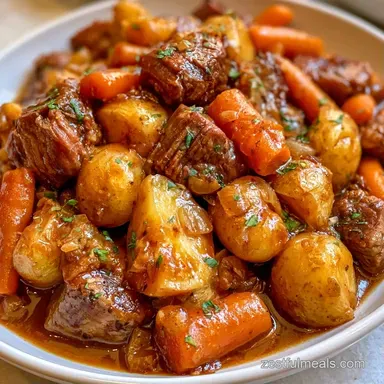
Tender Slow Cooker Chuck Roast with Gravy
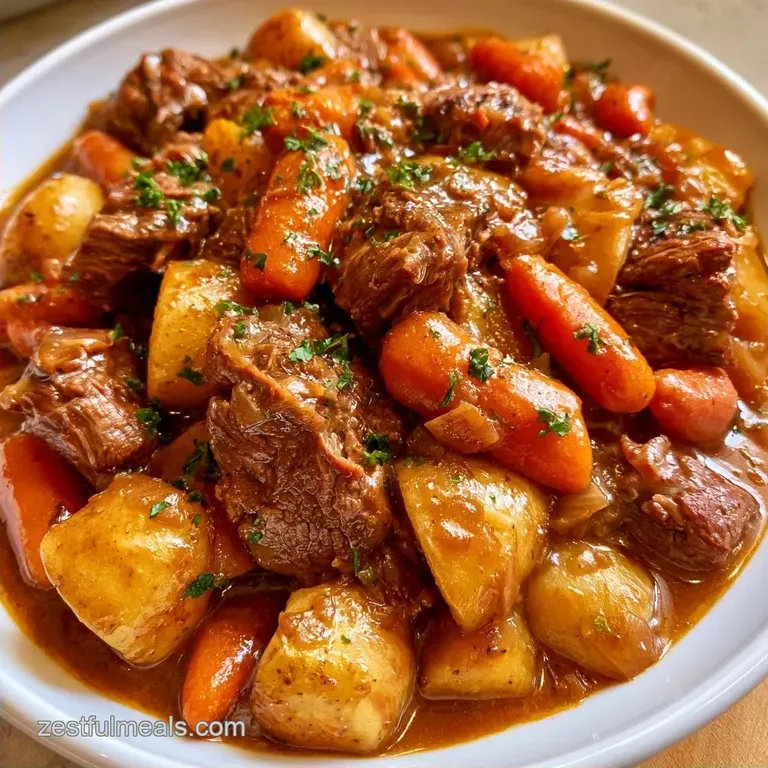
- Time:20 minutes active + 8 hours cook
- Flavor/Texture Hook: Deep mahogany crust with a silky gravy
- Perfect for: Busy weeknights or cozy Sunday dinners
Slow Cooker Chuck Roast with Gravy Tips
Ssssss. That loud, aggressive hiss is the sound of a hot skillet meeting a well salted piece of beef. If you've ever wondered why some home cooked roasts taste a bit bland or "boiled," it's usually because they skipped this step.
The deep brown crust on the meat is where the real flavor lives, and it's the only way to get that steakhouse depth in a Crockpot.
I used to think "dump and go" was the only way to use a slow cooker, but that's a mistake. Taking ten minutes to sear the beef and deglaze the pan makes a world of difference. It turns a basic meal into something that feels special, even if you're just serving it on a Tuesday night with the kids.
The goal here is a Slow Cooker Chuck Roast with Gravy that doesn't require a knife to eat. You want the meat to be tender enough that it just gives way, paired with carrots and potatoes that have soaked up all that beefy goodness. It's a one pot wonder that fills the whole house with a savory aroma.
Quick Recipe Details
Getting the timing right is the most important part of this meal. If you pull it too early, the meat is chewy. If you go too long on the high setting, it can get dry. Stick to the low setting for the best results.
Precision Checkpoints:
- Roast Weight: 3.5 lbs
- Searing Time: 4-6 minutes per side
- Total Cook Time: 8 hours on Low
For those who prefer different methods, here is how the slow cooker compares to other common ways of making a roast.
| Method | Effort Level | Texture Result |
|---|---|---|
| Stovetop | High (Needs watching) | Very tender, faster |
| Oven | Medium | Consistent, slightly firmer |
| Slow Cooker | Low (Set and forget) | Fall apart tender |
The Shopping List
When selecting your meat, choose a chuck roast with plenty of white marbling. These ribbons of fat are key to keeping the beef juicy during the 8-hour simmer. Avoid the leanest cuts, as they are more likely to turn out dry.
For the vegetables, Yukon Gold potatoes are my preference. They hold up much better than Russets, which can break down and thicken the gravy. Cut the carrots into large 2 inch pieces to ensure they don't overcook before the meat is tender.
Ingredients:
- 3.5 lb beef chuck roast, trimmedWhy this? Great fat content for slow cooking
- 2 tbsp vegetable oilWhy this? Handles high heat without burning
- 1 tsp kosher salt
- 1 tsp black pepper
- 4 large carrots, cut into 2 inch chunksWhy this? Keeps them from becoming mushy
- 1.5 lb Yukon Gold potatoes, quarteredWhy this? Maintains shape better than Russets
- 1 large yellow onion, sliced into thick wedges
- 4 cloves garlic, smashed
- 2 cups low sodium beef brothWhy this? Keeps the salt in check
- 2 tbsp Worcestershire sauceWhy this? Adds a complex, savory tang
- 1 tbsp soy sauceWhy this? Improves the color and umami
- 2 sprigs fresh thyme
- 2 sprigs fresh rosemary
- 2 bay leaves
- 3 tbsp cornstarch
- 2 tbsp cold water
Substitute Options:
- Beef Broth: homemade bone broth for added richness and collagen.
- Soy Sauce: Coconut aminos (less salt, slightly sweeter).
- Thyme/Rosemary: Dried herbs (swap for 1 tsp each).
- Yukon Gold Potatoes: Red potatoes (similar texture, a bit waxier).
Required Kitchen Tools
No professional gear is required, though a heavy skillet is essential. Cast iron or stainless steel pans are ideal because they retain heat effectively, allowing the beef to brown properly instead of steaming. Avoid non-stick pans, as they won't produce those flavorful browned bits on the bottom.
Your slow cooker should have a capacity of at least 6 quarts. If the roast is too crowded, the heat cannot circulate evenly, which may result in some areas of the meat being overcooked while others remain underdone.
The Gear:
- 6 quart slow cooker
- Large skillet (cast iron preferred)
- Tongs
- Whisk
- Measuring cups and spoons
Step-by-step Instructions
Time to begin. Patience is essential during the searing process. Moisture prevents browning, so make sure the meat is dry before adding it to the oil.
Phase 1: Searing for Maximum Depth
- Use paper towels to thoroughly dry the chuck roast. Apply a generous amount of salt and pepper to all sides. Note: Dry meat browns better
- Heat oil in a skillet on high until it shimmers. Sear the beef for 4-6 minutes per side until a deep, mahogany colored crust forms.
- Lift the meat out of the pan. Deglaze the hot skillet with a splash of beef broth, using a spatula to scrape up the browned bits (fond), and transfer these juices to the slow cooker.
Phase 2: Slow Simmering the Roast
- Layer sliced onions and smashed garlic in the bottom of the slow cooker to form a flavor base. Note: This stops the roast from sticking
- Set the seared roast on top of the onions and arrange potatoes and carrots around the beef.
- Combine the remaining beef broth, Worcestershire sauce, and soy sauce. Pour the liquid over the meat and add the thyme, rosemary, and bay leaves.
- Cover and set to Low for 8 to 10 hours. Note: Don't peek, or you'll lose heat
Phase 3: Finishing the Gravy
- Gently transfer the tender beef and vegetables to a platter and cover with foil to rest.
- Either strain the cooking juices into a saucepan or keep them in the slow cooker on High. Mix cornstarch and cold water to create a slurry, then stir it into the liquid.
- Whisk constantly for 5-10 minutes until the gravy becomes glossy and thick.
Chef's Tip: If the gravy appears too dark, stir in one tablespoon of cold butter at the very end. This adds a professional richness and a smoother texture.
Fixing Common Problems
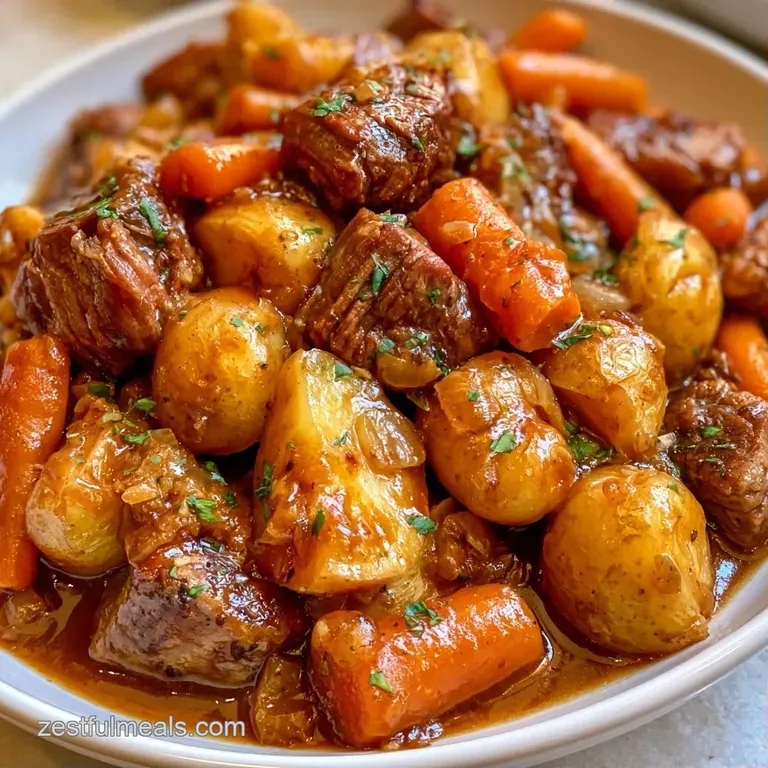
It's common to run into a few hiccups with slow cooking. Usually, it comes down to the thickness of the gravy or the texture of the vegetables. If the roast feels a bit tough, it almost always means it didn't cook long enough.
Beef chuck has a lot of connective tissue that only breaks down after several hours of steady heat.
If the vegetables are too soft, try putting them on top of the meat next time. The meat acts as a rack and prevents the carrots from sitting directly in the bubbling liquid for 8 hours.
Gravy Stays Watery
If the slurry doesn't thicken the sauce enough, you can either add more cornstarch mixed with water or simmer the liquid on the stove for 10 minutes to reduce it.
Meat Feels Dry
This usually happens if you cook on "High" for too short a time. The fibers tighten up instead of breaking down. Always stick to the "Low" setting for a chuck roast.
Vegetables Are Mushy
When carrots are cut too small, they overcook. Stick to 2 inch chunks to ensure they stay tender but intact.
| Problem | Root Cause | Solution |
|---|---|---|
| Thin Gravy | Not enough slurry | Add 1 tsp cornstarch + 1 tsp water |
| Tough Meat | Not cooked long enough | Cook for an additional 1-2 hours |
| Bland Taste | Lack of searing | Sear more deeply next time |
| Mushy Carrots | Cut too small | Use larger 2 inch chunks |
Tasty Flavor Twists
After you've mastered the standard Slow Cooker Chuck Roast with Gravy, feel free to experiment with the liquids. I often tweak the flavors based on what I have on hand or what my family is in the mood for.
To achieve a bolder, more complex taste, try stirring a splash of dry red wine (such as Cabernet) into the beef broth. This helps balance the heaviness of the chuck roast and adds a touch of elegance to the gravy. For a more traditional "country" vibe, replace the soy sauce with a tablespoon of tomato paste.
Decision Shortcut:
- More Umami? → Add 1 tbsp soy sauce
- Sweeter Glaze? → Fold in 1 tbsp brown sugar
- Thicker Gravy? → Increase cornstarch by 1 tsp
If you're feeding a larger group, you can easily incorporate extra root vegetables like turnips or parsnips. Just ensure they are chopped into large chunks so they hold their shape in the sauce.
Storage and Leftovers
This meal is actually more flavorful the next day as the ingredients meld together. Keep the meat and vegetables in an airtight container; they will last 3 to 4 days when refrigerated.
For those with leftovers, I suggest making beef sliders. Shred the roast, mix in a little extra gravy, and serve on toasted brioche buns kids love them.
Freezing Guidelines: Store the cooked roast and gravy in a freezer safe bag for up to 3 months. Thaw overnight in the fridge and reheat gently on the stove or in the oven.
Zero Waste Tips: Avoid tossing the beef broth or the browned bits from the searing pan. Any leftover liquid from the gravy process is a wonderful base for soup. You can check the USDA safe temperature chart for safe internal reheating temperatures.
Best Serving Ideas
While the roast comes with potatoes and carrots, having a fresh side dish balances out the richness of the beef. I love serving this with some savory green beans to add some color and snap to the plate.
For a more filling meal, you can serve the beef and gravy over a bed of creamy mashed potatoes or buttered egg noodles. The noodles are great for soaking up every last drop of the sauce.
Serving Suggestions:
- Creamy Polenta: A soft, corn based base that pairs perfectly with brown gravy.
- Crusty Sourdough: Essential for mopping up the extra sauce on the plate.
- Steamed Broccoli: Adds a healthy, bright contrast to the heavy meat.
Why This Method Works
The real magic happens because of how beef chuck is built. It's full of collagen, which is a tough protein. When you cook it at a low temperature for 8 hours, that collagen slowly melts into gelatin. This is why the meat becomes "fall apart" tender and why the gravy has a rich, body.
Key Factors:
- Low and Slow: Cooking on low prevents the muscle fibers from tightening up and squeezing out all the moisture.
- The Fond: Those brown bits left in the pan after searing are concentrated flavor. Deglazing them into the pot ensures none of that taste is wasted.
- Braising Liquid: The combination of beef broth, soy, and Worcestershire creates a balanced salt and acid profile that penetrates the meat.
Beef Myths Debunked: - The "Juice Seal": Many people think searing "seals in the juices." That's not true. Searing actually removes moisture from the surface, but it creates flavor through browning. - The "Pot Roast" Cut: There isn't a special "pot roast" cut of meat.
Chuck is simply the shoulder area, which is ideal for slow cooking because of its fat and connective tissue.
High in Sodium
950 mg 950 mg of sodium per serving (41% 41% of daily value)
The American Heart Association recommends limiting sodium intake to no more than 2,300 mg per day, with an ideal limit of 1,500 mg for most adults to reduce the risk of cardiovascular disease.
Tips to Reduce Sodium
-
Swap the Broth-30%
Replace the low-sodium beef broth with homemade unsalted beef stock or water combined with a small amount of tomato paste for depth.
-
Reduce Added Salt-25%
Omit or significantly reduce the kosher salt, as the sauces used in this recipe already provide a high amount of sodium.
-
Alternative Soy Sauce-20%
Substitute the soy sauce with coconut aminos, which typically contains significantly less sodium while maintaining a similar umami flavor.
-
Limit Worcestershire-20%
Reduce the Worcestershire sauce by half and add a teaspoon of lemon juice or apple cider vinegar to preserve the tanginess.
-
Enhance Fresh Aromatics
Double the amount of fresh thyme and rosemary to boost the savory flavor profile without adding any extra salt.
Recipe FAQs
Does chuck roast need liquid in a slow cooker?
Yes, you need a liquid base. The beef broth and savory sauces prevent the meat from drying out and provide the essential foundation for the gravy.
Is it true that searing a roast is unnecessary since it cooks for hours?
This one's false: Searing creates a mahogany crust and rich fond that adds essential depth and complexity to the final sauce.
How do I cook a beef chuck roast in a crock pot?
Sear the meat in a hot skillet before placing it on a cushion of onions and garlic in the slow cooker. Add the broth mixture and cook on Low for 8 to 10 hours.
Why is my chuck roast still tough in the crockpot?
It likely hasn't cooked long enough. This specific cut of beef requires the full 8 to 10 hours on Low to properly break down the connective tissue and become tender.
What is the best liquid for a crockpot roast?
A combination of beef broth and savory sauces. Using broth, Worcestershire, and soy sauce creates a rich, professional flavor profile. For a bright, fresh contrast, serve the finished meat with homemade chimichurri sauce.
Slow Cooker Chuck Roast 2