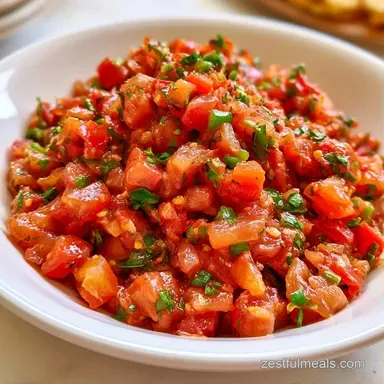
Tomato and Green Chili Salsa: Roasted and Smoky
- Time: 5 min active + 15 min roasting
- Flavor/Texture Hook: Smoky, zesty, and chunky
- Perfect for: Family taco nights
There's nothing quite like the aroma of toasted garlic and charred tomato skins wafting through the room. As the Roma tomatoes blister and deepen into a mahogany hue under the broiler, you know the flavor is locking in. It's the kind of scent that fills the house and lets the kids know a great dinner is on the way.
I used to stick to the bottled jars, but they always tasted overly salty and acidic. Switching to this homemade Tomato And Green Chili Salsa completely upgraded our appetizer game. It turns a basic bag of tortilla chips into something special, and the process is simple enough to handle even on a chaotic Tuesday.
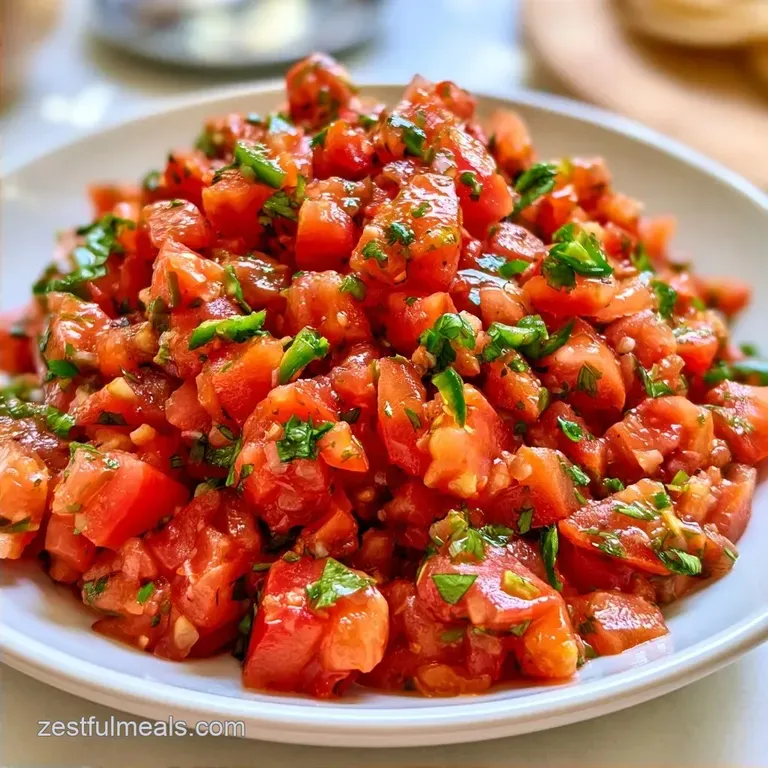
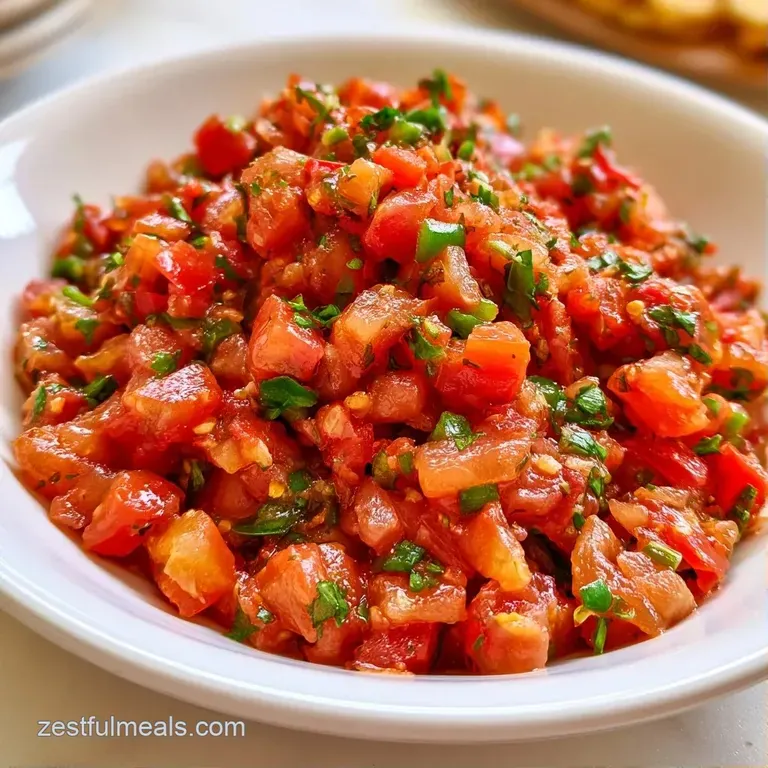
You'll end up with a bold, chunky dip where the heat is perfectly balanced by a fresh brightness. Rather than a smooth puree, this is a rustic blend with plenty of texture. Let's dive into how to achieve that perfect char without overdoing it.
How This Recipe Works
Over High heat Charring: Blasting the vegetables at 450°F breaks down the raw, sharp sugars. This removes the "grassy" taste of the peppers and adds a smoky depth.
Controlled Pulsing: Using short bursts in the processor prevents the salsa from turning into a soup. It keeps the tomato chunks intact for a better mouthfeel.
Hand Folding Herbs: Adding the cilantro at the very end by hand keeps the greens bright. If you blend the herbs, the salsa turns a muddy color and loses that fresh punch.
What These Ingredients Do
| Ingredient | What It Does | Best Swap |
|---|---|---|
| Roma Tomatoes | Provides a meaty base with less water | Cherry tomatoes (adds sweetness) |
| Jalapeño Peppers | Gives a medium kick and grassy notes | Serrano peppers (more heat) |
| White Onion | Adds a sharp, savory crunch | Red onion (sweeter, milder) |
| Fresh Lime Juice | Cuts through the richness with acid | Lemon juice (less authentic) |
The choice of Roma tomatoes is key because they have thicker walls and fewer seeds, which keeps the salsa from getting too runny.
The Building Blocks
- 1.5 lbs Roma tomatoes, halved Why this? lower moisture than beefsteak varieties
- 3 Jalapeño peppers, stems removed Why this? consistent moderate spice
- 1 medium White onion, cut into wedges Why this? traditional pungent taste
- 4 cloves Garlic, peeled Why this? roasting softens the raw sharpness
- 1/2 cup Fresh cilantro, chopped Why this? provides key herbal lift
- 2 tbsp Fresh lime juice Why this? cuts through the charred notes
- 1 tsp Sea salt Why this? brings out the depth of every ingredient
- 1/4 tsp Ground cumin Why this? contributes a warm, savory depth
Chef's Note: For children who are sensitive to spice, remove the seeds and white membranes from the jalapeños before roasting. The majority of the heat is concentrated there rather than in the green flesh.
Tools for the Job
Only a few basic supplies are required for this recipe. Be sure to use a large rimmed baking sheet to prevent any tomato juices from spilling into the oven. While I prefer a standard food processor, a blender is a good substitute if you avoid over processing the mixture.
For the prep work, a cutting board and a sharp chef's knife are sufficient. You can use a silicone mat for a quicker cleanup, but parchment paper is a perfectly good option.
Step-by-step Cooking Guide
The Roasting Flow
- Preheat your oven to 450°F (230°C) or set your broiler to high.
- Arrange the halved tomatoes (cut side up), jalapeños, onion wedges, and garlic cloves on a baking sheet.
- Roast for 10–15 minutes, turning once, until the tomato skins are blistered and mahogany colored and the onions have charred edges. Note: Garlic burns faster than tomatoes, so keep an eye on it.
The Blending Flow
- Transfer the roasted vegetables and any released juices from the pan into a food processor.
- Add the lime juice, salt, and cumin to the processor.
- Pulse in short bursts 5 7 times until the mixture is combined but still retains visible chunks of tomato.
The Finishing Flow
- Fold in the chopped fresh cilantro by hand using a spoon to maintain herb brightness and texture.
Fresh vs Shortcut
| Feature | Fresh Roasted | Canned/store-bought |
|---|---|---|
| Flavor | Deep, smoky, bright | Vinegary, salty, flat |
| Texture | Chunky and rustic | Smooth or gelatinous |
| Control | You pick the heat level | Fixed heat, high sodium |
While canned versions are faster, they lack the complexity that comes from roasting the vegetables yourself.
Fixing Common Texture Issues
Salsa is too watery
This usually happens if the tomatoes were overly ripe or if you pulsed the processor too many times. To fix this, you can strain out a few tablespoons of the liquid. If it's really runny, simmer the salsa in a small pan for 10 minutes. This evaporates the excess water and concentrates the flavor.
Heat is too intense
If you accidentally used "hot" jalapeños, don't panic. The easiest fix is to add more roasted tomato or a squeeze of extra lime juice. The acid and the bulk of the tomato help neutralize the capsaicin. You can also stir in a small amount of avocado to mellow things out.
Flavor tastes flat
If the salsa doesn't "pop," it's almost always a salt or acid issue. Start by adding a pinch more sea salt. If it's still missing something, add another teaspoon of lime juice. USDA guidance reminds us that fresh ingredients vary in acidity, so tasting and adjusting is the only way to get it right.
Easy Flavor Tweaks
This blend serves as a versatile foundation for those who enjoy customizing their flavors. To achieve a rich, wood fired essence, stir in a dash of smoked paprika or a chipotle pepper in adobo. This adds a "restaurant style" complexity without requiring an actual grill.
For a richer texture, I highly recommend pairing this with Homemade Guacamole. The creamy avocado perfectly offsets the roasted notes of the salsa. If you need a thinner sauce to drizzle over eggs, pulse the blend 10-12 times rather than 7.
To ramp up the heat, replace one of the jalapeños with a serrano pepper. If you plan on canning this mixture, ensure you boost the acidity using vinegar or bottled lime juice to comply with shelf stability safety guidelines.
Quick Goal Adjustments
- For a smokier taste: Add 1/2 tsp smoked paprika.
- For less heat: Remove jalapeño seeds before roasting.
- For a smoother dip: Pulse 3-4 more times.
Freshness and Storage
Keep your salsa in a glass jar in the cooler for up to 5 days. I prefer glass because plastic can absorb the smell of the onions and garlic. Give it a quick stir before serving, as some liquid may settle at the bottom.
Avoid freezing this salsa. The fresh cilantro will turn black, and the texture of the roasted tomatoes becomes mealy once thawed. It's much better enjoyed fresh or chilled.
To avoid waste, don't toss those onion skins or the ends of the peppers. Throw them into a freezer bag with other veggie scraps. Once the bag is full, simmer them in water to make a basic vegetable stock for your next batch of soups.
Ideal Serving Ideas
This flexible condiment is perfect for more than just chips. It makes an excellent topping for Taco Meat during a hectic weeknight dinner. The tangy salsa balances the savory richness of the seasoned beef.
You can also serve this over white fish or grilled chicken for a fast, nutritious meal. For breakfast, I love adding a dollop to poached egg avocado toast; it brings a zesty brightness that wakes up the whole dish.
If you're entertaining, place it in a vibrant bowl surrounded by jicama, sliced cucumbers, and carrots. It's a wonderful way to get kids to enjoy raw vegetables, as they love dipping everything into the chunky salsa.
Recipe FAQs
Is green chili salsa the same as salsa verde?
No, this is a common misconception. Salsa verde primarily uses tomatillos, whereas this recipe combines tomatoes and green chilies.
Tip: Use Roma tomatoes to keep the water content low.
Does this tomato green chili salsa taste spicy?
The spice level depends on the specific jalapeños used.
Tip: Remove seeds and membranes from the peppers to lower the heat.
How can homemade salsa be kept from being watery?
Pulse the roasted vegetables in short bursts to avoid over processing the tomatoes.
Tip: Fold in the cilantro by hand to maintain a chunky texture.
What is the difference between red-chili salsa and green chili salsa?
Red salsas typically feature red chiles or dried peppers, while green salsas rely on jalapeños.
Tip: If you enjoyed the punch of green chilies here, see how the same pepper base works in a serrano sauce.
Tomato And Green Chili Salsa