Instant Pot Potato Chicken: Tender and Buttery
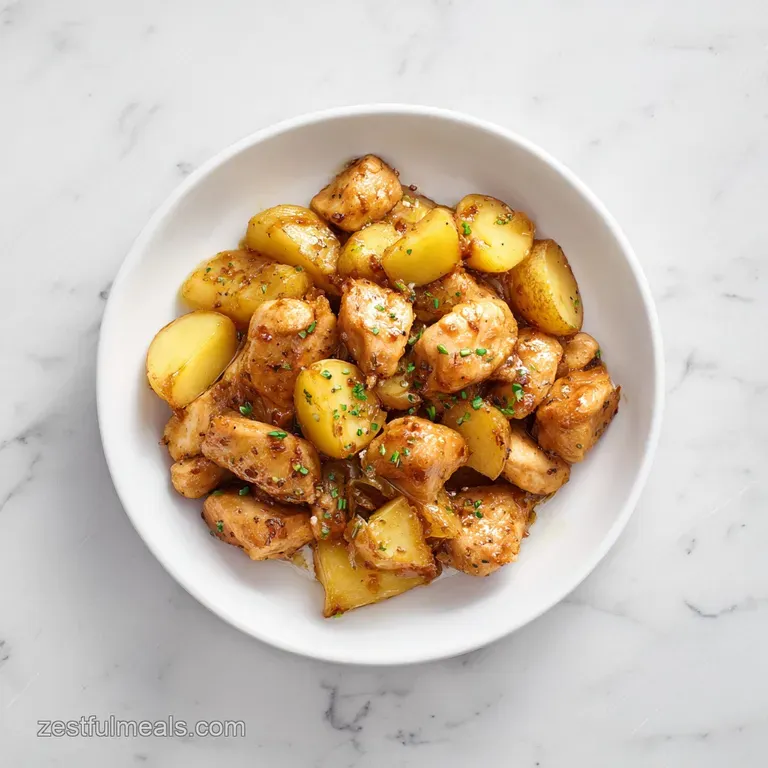
- Time: 10 min active + 15 min cook + 15 min pressure release = Total 40 mins
- Flavor/Texture Hook: Velvety glaze with tender, buttery potatoes
- Perfect for: Weeknight dinner, meal prep, or beginner friendly one pot meals
- Instant Pot Potato Chicken
- Texture Secrets
- Component Analysis
- Essential Tool Kit
- The Cooking Process
- Fixing Common Issues
- Troubleshooting Common Issues
- Customizing Your Meal
- Scaling Guidelines
- Truth About Pressure Cooking
- Freshness and Waste
- Great Side Pairings
- High in Sodium
- Recipe FAQs
- 📝 Recipe Card
Instant Pot Potato Chicken
That first aggressive sizzle when the chicken thighs hit the hot olive oil is where the magic starts. I remember the first time I tried to rush this by skipping the sear, and let me tell you, it was a disaster. The meat looked gray, the potatoes were bland, and the whole thing felt like a cafeteria meal.
But when you take those few extra minutes to get a deep, brown crust on the chicken, everything changes. The aroma of rosemary and garlic filling the kitchen is a signal that you're doing it right.
This Quick Flavorful Instant Pot Potato Chicken Delight is the perfect one pot meal for a busy weeknight. I've spent way too much time trying to coordinate a stovetop side and a main dish, only for one to get cold while the other finishes.
Having everything happen in one stainless steel pot is a total win for anyone who hates doing dishes. You get the comfort of a slow roasted dinner but you're done in under an hour.
You can expect a dish where the chicken is juicy and the baby reds have a velvety exterior but still hold their shape. It's a hearty, comforting meal that feels like it took all afternoon. We're going to focus on a few specific tricks to make sure your sauce isn't watery and your chicken isn't tough. Let's crack on.
Texture Secrets
I've always wondered why some pressure cooker meals feel "boiled" while others feel "braised." It comes down to a few simple things that happen inside that sealed pot.
- Surface Browning: Searing the chicken first creates a flavor base that carries through the whole pot. According to [Serious Eats](https://www.seriouseats.com), creating this crust is what adds that deep, savory quality that pressure alone can't produce.
- Starch Release: Baby red potatoes are the hero here because they have a waxy texture. They release just enough starch to thicken the liquid without turning into mush.
- The Slurry Finish: Adding the cornstarch at the very end, rather than at the start, prevents the sauce from scorching and gives it that glossy, restaurant style look.
- Pressure Timing: 15 minutes is the sweet spot. Any longer and the chicken thighs can start to shred, and the potatoes lose their bite.
The difference between a mediocre meal and a great one usually comes down to how you handle the liquids. If you add too much broth, you're basically making soup. By keeping it to one cup, the pressure creates a concentrated essence that clings to the food.
| Method | Time | Texture | Best For |
|---|---|---|---|
| Instant Pot | 40 mins | Velvety/Tender | Fast weeknights |
| Stovetop | 1 hour | Braised/Soft | Slow evenings |
| Oven Roast | 1.5 hours | Crispy/Firm | Sunday dinner |
The Instant Pot is clearly the winner for speed, but you lose that oven browned potato skin. That's why the searing step for the chicken is so non negotiable for me.
Component Analysis
Understanding what each ingredient actually does helps you make better choices if you're missing something in your pantry.
| Ingredient | Science Role | Pro Secret |
|---|---|---|
| Baby Red Potatoes | Structural Base | Keep them in 1 inch pieces for a uniform cook. |
| Chicken Thighs | Flavor & Fat | Thighs stay juicy under pressure; breasts dry out. |
| Cornstarch | Thickening Agent | Always mix with cold water first to avoid lumps. |
| Worcestershire | Umami Boost | Adds a fermented depth that mimics long roasting. |
I honestly don't even bother with low-fat chicken or different potato types for this. The fat in the thighs is what makes the sauce feel rich, and the waxy nature of the red potatoes prevents them from disintegrating during the quick release.
Essential Tool Kit
You don't need a fancy kitchen for this, but a few specific tools make it easier. I use a standard 6 quart Instant Pot, but any electric pressure cooker works. A heavy bottomed skillet isn't needed since we're doing everything in the pot.
For the chicken, I use a pair of tongs to move the pieces around without breaking them. I also suggest a whisk or a small fork for the cornstarch slurry. If you use a spoon, you might get little clumps of powder in your sauce, which is a total mood killer.
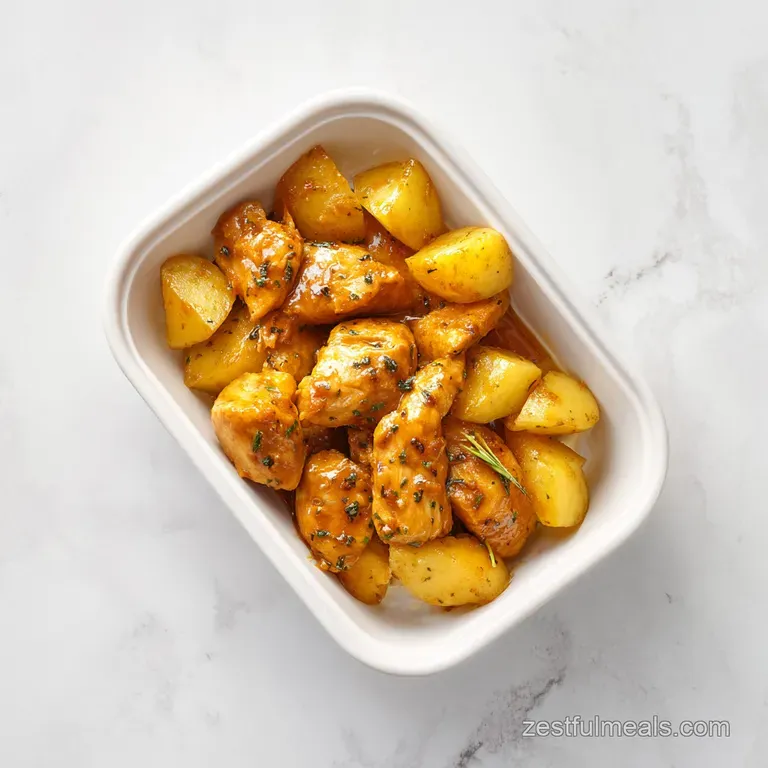
If you're into meal prep, I recommend glass airtight containers. The sauce in this recipe holds up incredibly well in the fridge, and the flavors actually deepen after a day. If you want something with a different texture, you might like my Homemade Crispy Chicken Tenders, but for a full meal, this one pot wonder is the way to go.
The Cooking Process
Right then, let's get into the actual steps. Trust me on the searing part, it's the most important bit.
For the Searing & Base
- Set the Instant Pot to Sauté (High). Add 2 tbsp olive oil and brown the chicken chunks in batches until they develop a deep, brown crust. Note: Don't crowd the pot or the chicken will steam instead of sear.
- Remove chicken and set aside on a plate.
- In the same pot, sauté the diced yellow onion and minced garlic for 2-3 minutes until the onion is translucent.
For the Main Components
- Stir in the dried rosemary, dried thyme, and 1 tbsp Worcestershire sauce. Use your spoon to scrape the brown bits off the bottom of the pot. Note: This is deglazing, and those brown bits are pure flavor.
- Pour in 1 cup low sodium chicken broth.
- Return the seared chicken to the pot and carefully place the baby red potatoes on top. Note: Keeping potatoes on top prevents them from overcooking.
- Close the lid, set the valve to Sealing, and select Manual/Pressure Cook (High) for 15 minutes.
For the Finishing Touch
- Perform a Quick Release of the pressure immediately. Wait for the pin to drop before opening the lid.
- Mix 2 tbsp cornstarch and 2 tbsp cold water in a small bowl.
- Set the pot back to Sauté. Stir the slurry into the liquid for 2-3 minutes until the sauce becomes a glossy, thick glaze.
Fixing Common Issues
Even with a simple recipe, things can go sideways. Most of the time, it's a matter of timing or ratios.
Troubleshooting Common Issues
| Issue | Solution |
|---|---|
| Why Your Potatoes Are Mushy | This usually happens if the potatoes are cut too small or if you let the pressure release naturally for too long. When you do a natural release, the food keeps cooking in the residual heat. For this r |
| Why Your Sauce Is Thin | If your sauce looks like soup after the pressure cycle, you likely didn't use enough cornstarch or didn't simmer it long enough on the Sauté setting. Remember, the sauce only thickens once it hits a s |
| Why Your Chicken Is Tough | Tough chicken in a pressure cooker is usually a sign of overcooking. If you use chicken breasts instead of thighs, 15 minutes might be too long. Thighs are much more forgiving and stay velvety. |
To make sure you've got everything covered, run through this checklist before you serve:
- ✓ Chicken has a visible brown crust from the start.
- ✓ Pot bottom was scraped clean before pressure cooking.
- ✓ Potatoes were placed on top of the meat.
- ✓ Pressure was released quickly to stop the cooking.
- ✓ Sauce has a glossy, clinging consistency.
Customizing Your Meal
I love this recipe because it's a blank canvas. Depending on what you have in the fridge, you can take this in a few different directions.
For a Creamy Garlic Twist
If you want something richer, stir in 1/4 cup of heavy cream or a dollop of sour cream right after the pressure release. This turns the glaze into a velvety cream sauce. It pairs brilliantly with a bit of extra cracked black pepper.
For a Zesty Lemon Herb Profile
Swap the Worcestershire sauce for a squeeze of fresh lemon juice and add some lemon zest at the end. This lightens the whole dish and makes it feel more like a spring meal. I usually add fresh parsley here to keep it bright.
For Low Carb Options
If you're skipping the potatoes, you can use cauliflower florets or diced turnips. Note: Cauliflower cooks much faster than potatoes, so reduce the pressure time to 4-5 minutes, or they'll turn into puree.
| Original Ingredient | Substitute | Why It Works |
|---|---|---|
| Baby Red Potatoes | Cauliflower | Low carb alternative. Note: Reduce cook time to 5 mins |
| Chicken Broth | Vegetable Broth | Same liquid base. Note: Slightly sweeter flavor |
| Dried Rosemary | Fresh Rosemary | More aromatic. Note: Use 3x the amount of fresh |
| Cornstarch | Arrowroot Powder | gluten-free thickener. Note: Similar gloss, slightly different taste |
Regardless of the swaps, the method stays the same. The goal is always that balance of seared meat and a thick, clinging sauce.
Scaling Guidelines
If you're feeding a crowd or just cooking for one, you can't always just double everything. Pressure cookers behave differently with volume.
Scaling Down (Half Batch): If you're making this for two, use half the chicken and potatoes. You should still use about 3/4 cup of broth, as the pot needs a minimum amount of liquid to come to pressure. Reduce the pressure cook time by about 2-3 minutes.
Scaling Up (Double Batch): When doubling, don't double the salt or the rosemary, or it can become overpowering. Use 1.5x the spices instead. You can reduce the broth by about 10% because the larger amount of chicken and potatoes will release more of their own juices.
Crucial Tip: Work in batches when searing. If you put 3 lbs of chicken in the pot at once, the temperature will drop, and you'll end up with gray, steamed meat. It takes longer, but the flavor is worth it.
Truth About Pressure Cooking
There are a few things people always say about the Instant Pot that just aren't true. Let's clear those up.
First, some people think that searing meat "seals in the juices." It doesn't. Moisture loss happens regardless of how you start. However, the crust adds a massive amount of flavor through a process of browning that you just can't get from boiling.
Second, there's a myth that you can't get "crispy" results in a pressure cooker. While you can't get a deep fry crisp, the Sauté function is surprisingly powerful. By using a high smoke point oil like olive oil, you can get a great sear that mimics a pan fry.
Finally, some think you have to use a lot of water to prevent the "Burn" notice. Actually, too much water can dilute your sauce. The key isn't the amount of liquid, but making sure the bottom of the pot is deglazed.
Freshness and Waste
This dish is a meal prep dream. I usually make a double batch on Sundays and eat it throughout the week.
Storage: Store the leftovers in an airtight glass container in the fridge for up to 4 days. The sauce might thicken even more as it cools, which is totally normal.
Reheating: The best way to reheat is in a skillet over medium heat with a splash of water or broth. This loosens the sauce and warms the chicken without overcooking it. If you use a microwave, cover it with a damp paper towel to keep the meat from drying out.
Freezing: You can freeze this for up to 2 months. I recommend freezing the chicken and potatoes together but omitting the cornstarch slurry if possible. If you've already added the thickener, it still freezes, but the sauce might separate slightly when thawed. Just stir it well while reheating.
Zero Waste Tips: If you have leftover chicken broth or a few stray potatoes, toss them into the pot. You can also use any leftover sauce as a base for a quick gravy. If you used a whole onion and have scraps left, freeze them in a bag to make a homemade vegetable stock later.
Great Side Pairings
While this is a one pot meal, sometimes you want a bit of freshness on the side to cut through the richness of the glaze.
I love serving this with a simple steamed broccoli or a crisp garden salad. The acidity of a vinaigrette balances the savory notes of the Worcestershire and rosemary perfectly. If you're feeling extra fancy, a side of crusty bread is a must for soaking up the remaining sauce.
For something with a bit more kick, try dipping some of the chicken into a Fried Pickle Dipping Sauce. The zingy, creamy flavor of the sauce provides a great contrast to the earthy potatoes. It sounds weird, but trust me, the tanginess works.
Another great option is a light cauliflower mash or even some sautéed spinach. Keep the sides simple so they don't compete with the main event. This Pot Potato Chicken Delight is plenty filling on its own, so don't overdo the extras.
High in Sodium
1080 mg 1,080 mg of sodium per serving (47% 47% of daily value)
The American Heart Association recommends a limit of 2,300 mg of sodium per day for most adults to reduce the risk of cardiovascular disease.
Tips to Reduce Sodium
-
Use Unsalted Broth-30%
Replace the low sodium chicken broth with unsalted chicken broth or a homemade salt free stock to significantly lower the base sodium level.
-
Eliminate Added Salt-25%
Completely omit the 1 tsp of added salt; the natural flavors of the chicken and vegetables will still shine through.
-
Swap Worcestershire Sauce-20%
Replace the Worcestershire sauce with lemon juice or a splash of balsamic vinegar to keep the tangy profile without the high sodium content.
-
Amplify Herbs and Spices
Increase the dried rosemary, thyme, and cracked black pepper to add depth and complexity to the dish without adding any sodium.
Recipe FAQs
Can I use chicken breasts instead of thighs?
Yes, but be cautious of overcooking. Breasts are leaner and can become tough or dry more quickly than thighs during the pressure cycle.
How to prevent the potatoes from becoming mushy?
Cut potatoes into uniform 1 inch pieces. Avoid cutting them too small and always perform a Quick Release immediately after the 15-minute cook cycle to stop the cooking process.
Is it true I should use a natural pressure release for the best results?
No, this is a common misconception. A natural release keeps the food cooking in residual heat, which often overcooks the vegetables and makes the chicken tough.
How to thicken the sauce if it remains thin?
Simmer on the Sauté setting for 2-3 minutes. Ensure you stir in the cornstarch slurry and allow the liquid to reach a simmer, as the thickening agent only activates with heat.
How to avoid the "Burn" notice in the Instant Pot?
Brown the chicken in batches. Overcrowding the pot prevents proper searing, and scraping the bottom thoroughly after sautéing the onion and garlic removes stuck bits that trigger the sensor.
Can I substitute the chicken broth with water?
Yes, but you will lose significant flavor. For a more nutrient dense and savory base, try using homemade bone broth instead.
How to store and reheat leftovers?
Refrigerate in an airtight container for up to 4 days. Reheat gently in the microwave or on a stovetop with a tablespoon of water to restore the glossy consistency of the sauce.
Instant Pot Potato Chicken