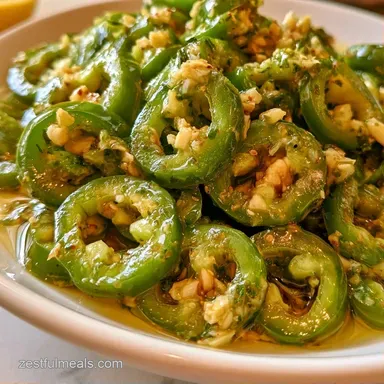
Canned Pickled Serrano Peppers: Snappy Heat
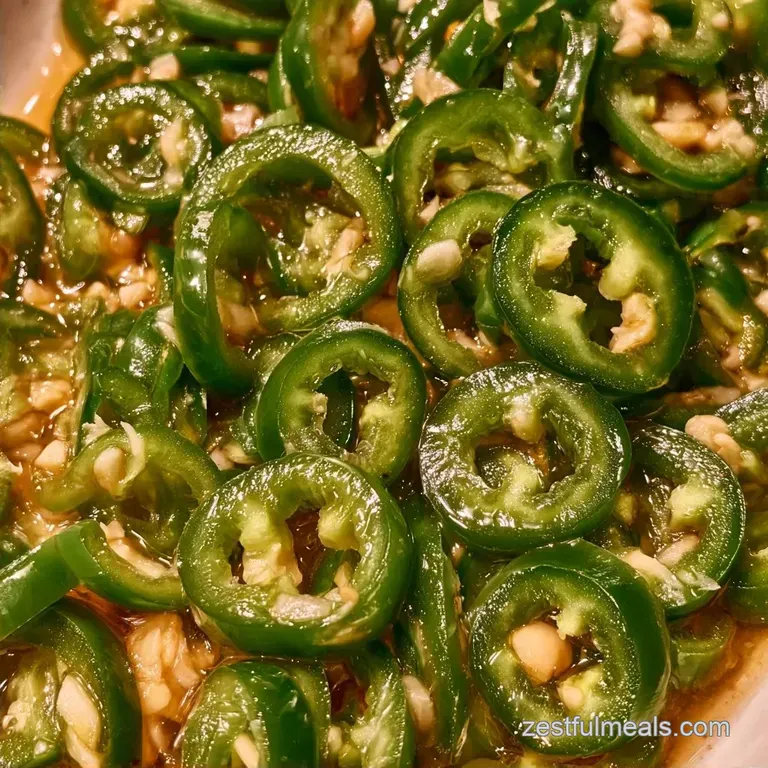
- Time: 10 min active + 24 hrs resting
- Flavor/Texture Hook: Tangy, sharp heat with a crisp snap
- Perfect for: Budget-friendly meal prep, taco nights, or pantry stocking
- Pickled Serrano Peppers for Your Pantry
- How the Crunch Stays
- Recipe Specs
- The Building Blocks
- Tools You Actually Need
- Step-by-Step Brining Guide
- Fixing Common Issues
- Different Flavor Twists
- Changing the Batch Size
- Shelf Life and Scraps
- Best Ways to Serve
- Critical Sodium Level
- Recipe FAQs
- 📝 Recipe Card
Pickled Serrano Peppers for Your Pantry
That sharp, vinegary smell hits you the second you open the jar, followed by the clean heat of the peppers. In many Mexican households, these kinds of pickled vegetables, or escabeches, aren't just condiments. They are essential.
They cut through the richness of fatty meats like carnitas or barbacoa, cleaning the palate between bites.
I used to buy the store-bought versions, but they always tasted like metallic syrup. Making your own Canned Pickled Serrano Peppers lets you control the salt and sugar, making sure the heat actually shines through. It's a simple process that doesn't require a fancy kitchen, just a few basic pots and jars.
You can expect a condiment that is bright, acidic, and has a satisfying crunch. Whether you're putting them on a breakfast burrito or a burger, this recipe gives you that zingy punch without breaking the bank.
How the Crunch Stays
- Vinegar Balance: The 5% acidity in white distilled vinegar firms up the pepper cell walls, preventing them from turning to mush.
- Rapid Cooling: By not over processing the jars, we avoid cooking the peppers too much, which preserves that fresh snap.
- Salt Concentration: Sea salt draws out excess moisture from the peppers, allowing the brine to penetrate deeper and faster.
| Method | Time | Texture | Best For |
|---|---|---|---|
| Quick Pickle | 1 hour | Very Crisp | Immediate use |
| Water Bath | 1 day | Snappy | Long term storage |
Recipe Specs
This recipe is designed for a small batch home setup. It produces two pint jars, which is usually enough to last a family a few months if you aren't adding them to every single meal. Since we use a water bath, these are shelf stable, meaning you don't have to crowd your fridge.
The active work is minimal, mostly just slicing and boiling. The real wait is the 24 hour resting period, which is when the peppers stop tasting like raw vegetables and start tasting like a cohesive condiment.
The Building Blocks
For this to work, you need a high acidity environment. White distilled vinegar is the standard because it has a neutral flavor that doesn't mask the serranos. Sea salt is preferred over table salt to avoid the cloudiness that iodine can cause in the brine.
The garlic adds a savory depth that rounds out the sharp acidity. I prefer smashing the cloves rather than mincing them, as it releases the oils without leaving tiny bits of garlic floating everywhere in the jar.
The Produce
Serrano peppers are leaner and hotter than jalapeños. They have a thinner skin, which makes them absorb the brine more efficiently.
The Brine
The combination of sugar and salt creates a balanced brine. The sugar isn't there to make it sweet, but to take the harsh edge off the vinegar.
Tools You Actually Need
Professional equipment isn't necessary for this project. A medium pot for the brine and a larger pot for the water bath will work perfectly. While a wide mouth funnel makes filling the jars easier, you can simply use a steady hand.
A dedicated bubble remover tool or a plastic knife is useful for releasing trapped air. If you don't have either, any clean, thin plastic utensil can be used to poke the sides of the jars.
Step-by-step Brining Guide
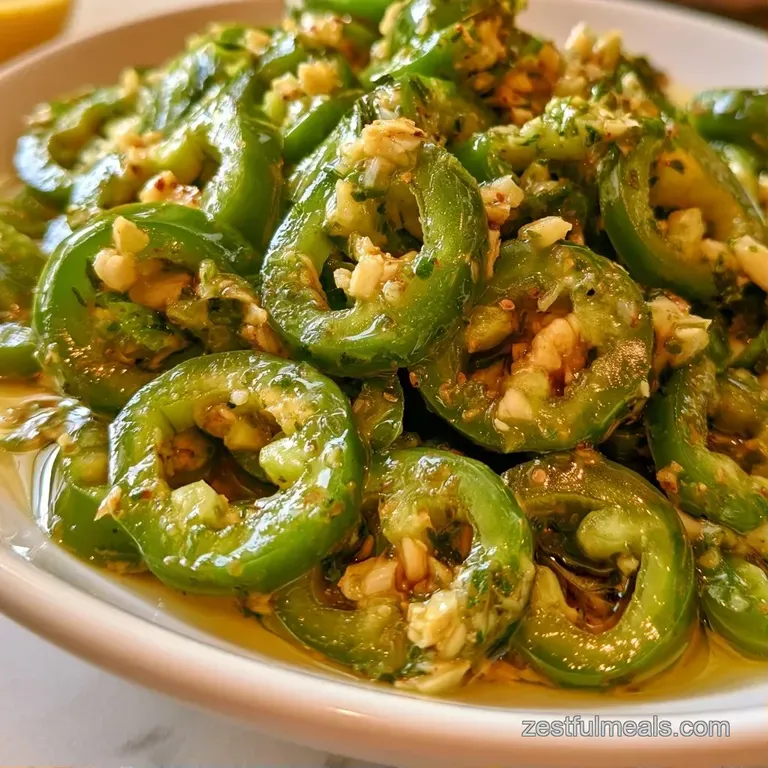
Phase 1: Preparing the Peppers
- Wash the serrano peppers thoroughly under cold water.
- Slice the peppers into ¼ inch rings. Note: Leave the seeds in for full heat.
- Divide the sliced peppers and smashed garlic evenly between two sterilized pint jars.
- Leave ½ inch of headspace at the top of each jar.
Phase 2: Simmering the Brine
- Combine the white distilled vinegar, water, sea salt, and sugar in a medium pot.
- Bring the mixture to a rolling boil over medium high heat.
- Stir occasionally until the salt and sugar dissolve, then remove from heat immediately.
Phase 3: Water Bath Canning Serrano Peppers
- Pour the hot brine over the peppers in each jar, ensuring they are fully submerged.
- Run a bubble remover tool around the inside of the jar to release trapped air.
- Wipe the rims clean and secure the lids and rings until finger tight.
- Place jars in a water bath canner with water covering the lids by 1 inch.
- Bring to a boil and process for 15 minutes.
- Remove jars and let them sit undisturbed for 24 hours.
Fixing Common Issues
Peppers Turn Too Soft
This usually happens if the water bath boils too vigorously or for too long. Stick to the 15 minute timer exactly. Using non iodized sea salt also helps maintain the pectin in the pepper walls.
Lid Fails to Seal
If the lid doesn't pop down, it's often because the rim wasn't wiped clean of brine or sugar. Always use a damp cloth to wipe the rim before tightening the ring. If a jar doesn't seal, just put it in the fridge and eat it first.
Heat is Too Intense
Serranos vary in heat. If the batch is too spicy, you can dilute the heat by adding a few slices of pickled carrots or cauliflower to the jar. This spreads the capsaicin across more vegetables.
Different Flavor Twists
Experiment with different seasonings to shift the flavor profile. For a more savory, earthy taste, stir in a teaspoon of mustard seeds or a pinch of coriander. These provide a gentle warmth that complements grilled meats perfectly.
For a different vibe, try making an Asian style pickle using soy sauce and rice vinegar. This shifts the profile from a Mexican escabeche to something better suited for a bowl of ramen.
You could also blend a few of these finished peppers into a roasted serrano sauce to create a zesty, bottled hot sauce.
To Make It Tangier
Increase the vinegar ratio by replacing ¼ cup of water with more distilled vinegar.
For a Gentler Heat
Remove the seeds and white membranes from the pepper rings before packing the jars.
| Original Ingredient | Substitute | Why It Works |
|---|---|---|
| White Vinegar (1.5 cups) | Apple Cider Vinegar (1.5 cups) | Similar acidity. Note: Adds a fruitier, sweeter taste |
| Sea Salt (2 tbsp) | Kosher Salt (2.5 tbsp) | Pure salt. Note: Use slightly more as grains are larger |
| Granulated Sugar (2 tbsp) | Honey (2 tbsp) | Natural sweetener. Note: Makes the brine slightly thicker |
Changing the Batch Size
Scaling this recipe is straightforward since it's a brine. If you're doubling the batch for a large family, increase the ingredients exactly, but don't increase the processing time in the water bath. The 15 minute timer applies to the jar size, not the number of jars.
For a smaller batch, you can halve everything. Use a smaller pot for the brine so it doesn't evaporate too quickly, which would make the brine too salty. If you use a half pint jar, reduce the water bath time to 10 minutes.
Quick Adjustment Guide
- Extra tang? → add 1 tsp citric acid
- Sweeter finish? → add 1 tbsp extra sugar
- Less salt? → reduce salt to 1.5 tbsp
Shelf Life and Scraps
When kept in a cool, dark pantry, these Pickled Serrano Peppers will last for up to a year. Once opened, store the jar in the refrigerator to maintain their crunch for about 3 months.
The remaining brine is essentially a seasoned vinegar, so feel free to reuse it. It makes an excellent marinade for chicken or a zesty addition to a salad vinaigrette. Per the USDA Complete Guide to Home Canning, using tested recipes and specific processing times is the only reliable method for safe room temperature food preservation.
Best Ways to Serve
These peppers are versatile. I love them on a morning egg sandwich or chopped up in a corn salsa. They are also a great addition to a charcuterie board, providing a sharp contrast to creamy cheeses like brie or goat cheese.
Try them on a homemade taco bar. The acidity of the Pickled Serrano Peppers cuts through the fat of the meat, making every bite feel fresh. You can even toss a few rings into a grilled cheese sandwich for a surprising kick.
Pepper Myths
Searing peppers before pickling "locks in" the flavor. This isn't true. Raw peppers maintain a brighter, more acidic profile that is preferred for pickling. Searing actually softens the walls, which can lead to mushy results.
Using a "fancy" vinegar makes a huge difference. While organic vinegars exist, the 5% acidity of standard white distilled vinegar is what provides the safety and texture needed for canning. Focus on the acidity percentage rather than the brand.
Critical Sodium Level
1894 mg 1894 mg of sodium per serving (82% 82% of daily value)
The American Heart Association recommends a limit of 2,300mg of sodium per day for most adults to maintain heart health.
Ways to Lower the Sodium
-
Reduce Sea Salt-25%
Cut the sea salt by half or substitute a portion with a potassium based salt alternative to significantly lower the sodium.
-
Enhance with Acid-15%
Increase the white distilled vinegar slightly or add fresh lemon juice to provide a sharp tang that mimics the flavor of salt.
-
Double the Aromatics-10%
Increase the amount of smashed garlic to add more pungent, savory depth to the brine without adding sodium.
-
Add Fresh Herbs
Stir in fresh cilantro or oregano to add complexity and brightness to the pickled peppers.
Recipe FAQs
Can you pickle serrano peppers?
Yes, they pickle beautifully. The vinegar preserves their crunch while the heat mellows slightly for a more balanced flavor.
Which method best preserves serranos?
Water bath canning is the gold standard. Processing the jars for 15 minutes ensures they are shelf stable and safe for long term storage.
How long do these stay fresh?
Unopened jars last for a year. Once opened, keep them chilled to maintain the best texture and flavor.
Is it true that pickling removes all the heat from serrano peppers?
That's a myth. While the brine softens the initial bite, serranos remain significantly spicier than jalapeños.
What steps are needed to pickle serrano peppers?
Slice peppers into 1/4 inch rings and pack them into sterilized jars with smashed garlic. Pour over a boiling brine of vinegar, water, salt, and sugar, then process in a water bath for 15 minutes.
How can I use leftover serranos for a sauce?
Blend fresh peppers with acid and salt. If you enjoyed balancing the brine here, see how that same flavor profile works in our quick hot sauce.
Pickled Serrano Peppers 6