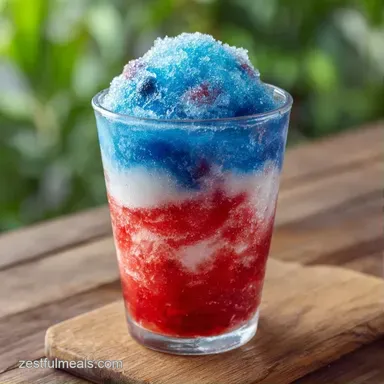
Red White Blue Daiquiri: Velvety and Frosty
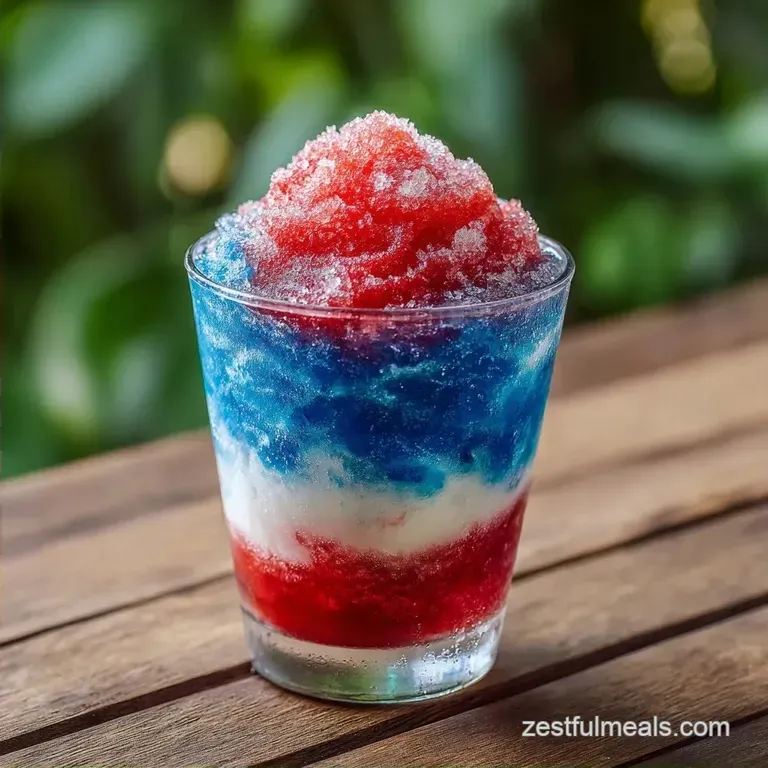
- Time:10 minutes active
- Flavor/Texture Hook: Velvety, frosty, and tart
- Perfect for: 4th of July parties or summer pool days
- Red White Blue Daiquiri
- The Secret to Layering Colors
- Breaking Down the Components
- The Building Blocks
- Step by Step Mixing Guide
- Fixing Texture and Color Bleeds
- Troubleshooting Common Issues
- Different Flavor Twists
- Adjusting the Batch Size
- Common Drink Myths
- Storage Guidelines
- Best Food Pairings
- Recipe FAQs
- 📝 Recipe Card
The sound of a blender pulsing at high speed is basically the official soundtrack of July. I remember the first time I tried to make a layered drink for a backyard bash, and it was a total disaster.
I didn't account for the weight of the ingredients, and within thirty seconds, my patriotic masterpiece looked like a melted popsicle that had been stepped on. The colors just bled together into this weird, muddy grey purple that nobody wanted to touch.
The real hero here is the Blue Curaçao. Most people think of it as just a coloring agent, but that orange peel bitterness is what keeps the drink from tasting like a sugar bomb. It provides a sharp contrast to the creamy middle and the sweet strawberry top. Without it, you're just drinking frozen juice with rum.
If you follow this method, your Red White Blue Daiquiri will actually hold its shape. We're going to focus on the thickness of each layer, because that's the only way to stop the "bleed." Expect a drink that hits all the notes, from the citrusy base to the velvety coconut center and the tart berry finish.
Red White Blue Daiquiri
The trick to this recipe is all about the density of the liquids and the amount of ice. If one layer is too thin, it will sink right through the one below it. By using frozen strawberries for the top and cream of coconut for the middle, we create different "weights" that allow the colors to stack.
I've found that chilling the glasses in the freezer for at least 20 minutes before you start is a non negotiable step. If the glass is warm, the first layer starts melting the second it hits the glass, and your layers will merge before you even get to the white part.
Trust me, I've learned that the hard way while staring at a glass of blue grey slush.
Right then, let's get into how this actually stays separated. It's not magic, it's just basic physics regarding how sugar and fat behave in a frozen state.
The Secret to Layering Colors
Viscosity Control: The cream of coconut is thicker than the Curaçao, which helps it sit on top without mixing.
Ice to Liquid Ratio: Using a higher ratio of ice in the bottom layer creates a firmer base that supports the weight of the upper layers.
Temperature Barrier: Frozen strawberries in the top layer keep that section colder and thicker, preventing it from sinking.
Sugar Density: The simple syrup in the red layer increases its weight slightly, but the frozen fruit structure keeps it buoyant.
| Method | Blend Time | Texture | Best For |
|---|---|---|---|
| Frozen Blend | 30-45 secs | Velvety/Thick | Layered look |
| Shaken | 15 secs | Liquid/Icy | Quick drinking |
| Slow Churn | 2 mins | Sorbet like | Gourmet feel |
Breaking Down the Components
The ingredients aren't just for flavor, they're acting as structural supports for the drink.
| Ingredient | Science Role | Pro Secret |
|---|---|---|
| Blue Curaçao | Color & Acidity | Use a brand with real orange peel for better tartness |
| Cream of Coconut | Fat & Stability | Shake the can violently before opening to emulsify |
| Frozen Strawberries | Texture & Bulk | Use bags of unsweetened berries to control the sugar |
The Building Blocks
Here is what you need to get this done. I've kept it budget-friendly by suggesting frozen fruit, which is often cheaper and works better for the texture than fresh berries.
For the Blue Base
- 2 oz Blue CuraçaoWhy this? Provides the blue hue and citrus notes
- 2 oz White RumWhy this? Neutral spirit that lets flavors shine
- 1 oz Fresh lime juiceWhy this? Cuts through the sugar
- 1.5 cups Crushed iceWhy this? Creates the foundation
- Substitute: Vodka instead of rum for a cleaner taste.
For the White Middle
- 2 oz White RumWhy this? Consistent alcohol base
- 1 oz Cream of coconutWhy this? Adds the white color and creamy texture
- 0.5 oz Fresh lime juiceWhy this? Prevents the coconut from being cloying
- 1 cup Crushed iceWhy this? Keeps the layer frozen
- Substitute: Coconut milk mixed with a pinch of powdered sugar (Note: thinner texture). If you need a dairy free dressing style alternative for other recipes, coconut cream is always the way to go.
For the Red Top
- 1 cup Frozen strawberriesWhy this? Naturally red and adds thickness
- 2 oz White RumWhy this? Keeps the potency consistent
- 1 oz Simple syrupWhy this? Balances the tart berries
- 0.5 oz Fresh lime juiceWhy this? Brightens the strawberry flavor
- 2 fresh strawberries (garnish)
- 2 fresh blueberries (garnish)
- Substitute: Frozen raspberries for a deeper red, though it adds seeds.
Step by step Mixing Guide
Let's crack on. Make sure your glasses are in the freezer before you start.
- Combine the Blue Curaçao, rum, lime juice, and ice in the blender. Pulse until the mixture is velvety and thick. Note: Don't over blend or the ice will melt and the layer will be too runny.
- Pour the mixture into the bottom third of your chilled glasses. Wait until the mixture looks like soft serve ice cream.
- Rinse the blender quickly with water. Note: This is vital to avoid blue streaks in your white layer.
- Combine the rum, cream of coconut, lime juice, and ice in the blender. Blend until the mixture is creamy and holds a soft peak.
- Slowly pour this over the back of a spoon onto the blue layer. Pour gently to maintain a sharp line between colors.
- Add the frozen strawberries, rum, syrup, and lime juice to the blender. Process until the mixture is a thick, frozen slush.
- Carefully spoon this over the white layer. Fill the glass to the brim but leave a tiny bit of room for the garnish.
- Immediately top each glass with one fresh strawberry and one fresh blueberry.
- Serve with a straw immediately to prevent melting.
Chef's Tip: If your blender is struggling, add a teaspoon of water. It helps the blades catch the ice without thinning the drink too much.
Fixing Texture and Color Bleeds
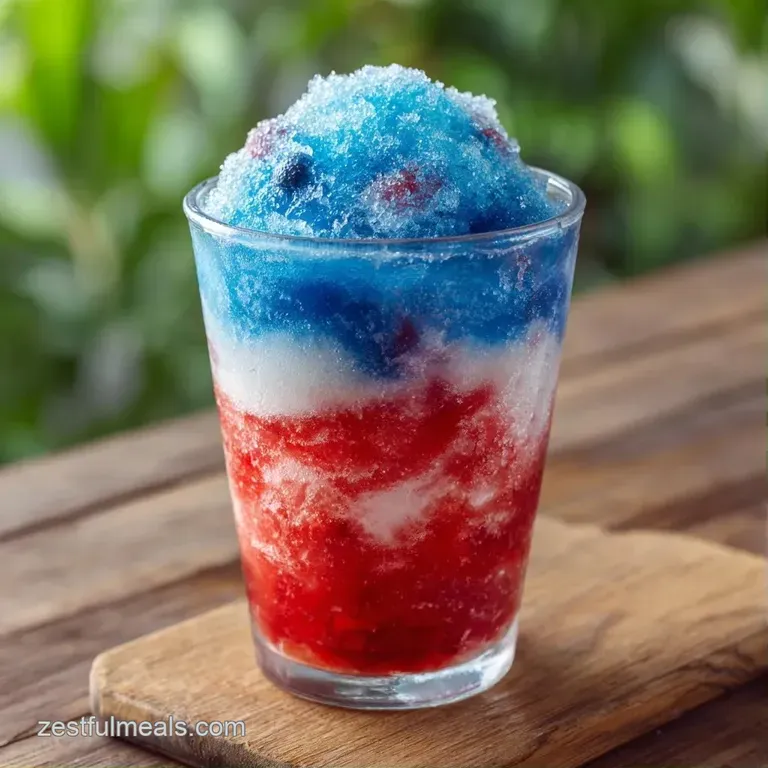
The most common issue is the layers mixing. This usually happens because the ice melted too much during the blending process or the pour was too aggressive.
Troubleshooting Common Issues
| Issue | Solution |
|---|---|
| Why Your Layers Are Bleeding | If you pour the liquid directly from the blender into the glass, the force of the stream will push the layers together. |
| Why the Drink is Too Tart | Sometimes the lime juice can overpower the sweetness, especially with the Blue Curaçao. If this happens, add an extra 0.25 oz of simple syrup to the red layer to balance it out. |
| Why the Top Layer Sinks | This happens if you used fresh strawberries instead of frozen. Fresh berries release more water and don't provide the same "slushy" structure, making the red layer heavier and more liquid. |
Consistency Checklist
- ✓ Glasses are chilled to 32°F (0°C)
- ✓ Blender rinsed between every single color change
- ✓ Strawberries are frozen solid, not thawed
- ✓ Pouring done over the back of a spoon
- ✓ Mixture reaches "soft peak" thickness before pouring
Different Flavor Twists
You don't have to stick to the classic recipe. Depending on who you're serving, you can tweak the spirits or the fruits.
The Vodka Swap
If you aren't a fan of the molasses notes in rum, you can use vodka for all three layers. This makes the Red White Blue Daiquiri taste more like a frozen slushie and less like a tropical cocktail. It's a great option for people who prefer a "cleaner" alcoholic taste.
The Virgin Mocktail
To make this kid friendly, replace the rum and Curaçao with white grape juice and a drop of blue food coloring. Use the same ratios of lime, coconut cream, and strawberries. It keeps the patriotic look without the booze.
The Tropical Twist
Instead of strawberries for the red layer, use frozen mango and a splash of grenadine. It changes the flavor profile to something more exotic but keeps the red, white, and blue aesthetic.
The "On the Rocks" Version
If you don't have a blender, you can shake each component separately with ice and strain them into the glass. Note: the layers won't be as distinct, and the drink will be more liquid than slushy.
Adjusting the Batch Size
Scaling frozen drinks is a bit different than scaling a soup or a stew. You can't just quadruple everything and hit "blend" once.
Scaling Down (1 Cocktail) Simply halve all ingredients. Since you're working with smaller volumes, the blender blades might not reach the ingredients. Use a small personal blender or a food processor to ensure the ice gets crushed properly.
Scaling Up (4-8 Cocktails) Work in batches. If you try to blend 4 portions of the white layer at once, the bottom will turn to liquid while the top is still chunky. Blend each color in two separate batches.
For the alcohol, you can pre mix the rum and lime juice in a pitcher to save time, but add the ice and thickeners (like coconut cream) right before blending.
Baking/Freezing Adjustment If you're making a large amount of the mix to freeze in molds, reduce the simple syrup by 10%. Freezing dulls the perception of sweetness, but too much sugar can stop the mixture from freezing solid, leaving you with a gooey mess.
Common Drink Myths
Some people think that adding salt to a frozen drink prevents it from melting. That's actually the opposite of the truth. Salt lowers the freezing point of water, which would actually make your daiquiri melt faster.
Another myth is that you need a professional grade blender to get a velvety texture. While a high end machine helps, you can get the same result with a cheap blender if you use crushed ice and pulse the mixture instead of running it on high.
Finally, some claim that using "frozen concentrate" juice is better for layering. In reality, fresh lime juice and real frozen fruit provide a better structural bond, making the layers more stable than synthetic concentrates.
Storage Guidelines
You can't really "store" a finished layered drink because the laws of physics will eventually win and the colors will merge. However, you can prep the components.
Fridge Storage You can blend the red, white, and blue mixtures separately and store them in airtight containers in the fridge for up to 24 hours. When you're ready to serve, give them a quick stir and pour.
Note: they will lose their "frozen" thickness and become more like liquid daiquiris.
Freezer Storage The best way to save these is to pour the blended mixtures into silicone molds or ice cube trays. Freeze them solid. When guests arrive, you can pop the "color cubes" into a glass and let them melt slightly, or blend them quickly to regain that slushy texture.
Zero Waste Tips Don't throw away the strawberry tops or the lime peels. Use the lime peels to make a quick citrus zest garnish. The leftover strawberry stems can be tossed into a freezer bag and used later to make a simple fruit infused water or a homemade syrup for other drinks.
Best Food Pairings
Since this drink is sweet, creamy, and tart, you need salty or spicy foods to balance it out. I usually serve this with something that has a bit of a kick.
A platter of shrimp and mussels in garlic sauce is a brilliant pairing. The savory garlic and brine of the seafood cut right through the sweetness of the coconut and strawberry. It turns a simple drink into a full summer meal.
If you're doing a full spread, think about finger foods. Spicy chicken wings, sliders with a tangy slaw, or even a platter of salted nuts work well. The goal is to keep your palate refreshed so that every sip of the Red White Blue Daiquiri feels like the first one.
For something heavier, a classic Louisiana seafood gumbo provides a rich, earthy contrast to the bright, icy flavors of the cocktail. The smoke from the sausage in the gumbo plays surprisingly well with the lime and rum.
Recipe FAQs
What is a red, white, and blue frozen drink called?
This is a Red White Blue Daiquiri. It uses layered blends of Blue Curaçao, cream of coconut, and frozen strawberries to create a patriotic, frozen cocktail.
How to keep the colors from bleeding into each other?
Pour the mixtures slowly over the back of a spoon. This reduces the force of the stream and prevents the liquid from pushing through the layer below.
Why did my top layer sink into the white layer?
You likely used fresh strawberries instead of frozen. Fresh berries release more water, which prevents the "slushy" thickness required to float on the white layer.
How to prevent the white layer from having blue streaks?
Rinse the blender quickly with water between batches. This is vital to remove leftover Blue Curaçao and ensure the coconut layer stays a crisp white.
What to do if the drink is too tart?
Add an extra 0.25 oz of simple syrup to the red layer. If you loved the sweet-tart balance here, see how we use a similar acid technique in our fresh herb condiment.
Can I store these layered drinks in the fridge?
No, the colors will eventually merge. You can store individual blended mixtures in airtight containers for 24 hours, but they will lose their frozen thickness and become liquid.
How to get the layers to look like soft serve ice cream?
Pulse the blender until the mixture is velvety and thick. Avoid over-blending, as excessive processing melts the ice and makes the layers too runny.
Red White Blue Daiquiri in 10 Minutes