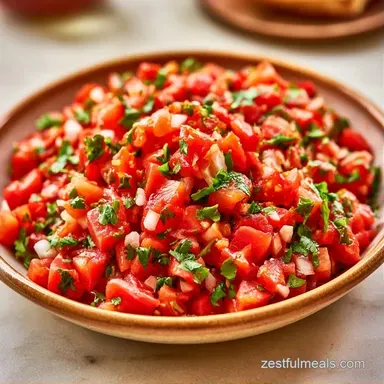
Mexican Spicy Salsa: Zesty and Chunky
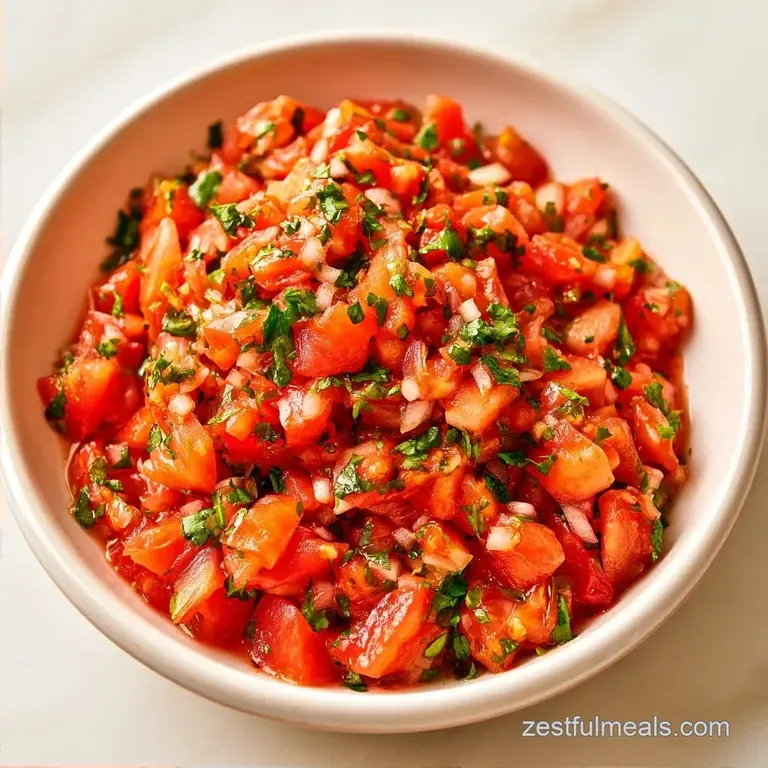
- Time: 15 min active + 10 min resting
- Flavor/Texture Hook: Zesty, fiery, and chunky
- Perfect for: Quick party snacks or taco night
- Why Spicy Salsa Recipes Fail
- The Best Budget Ingredients
- Gathering Your Essentials
- Tools You'll Actually Need
- Quick Steps to Bold Flavor
- Fixing Common Salsa Blunders
- Mixing Up the Heat
- Scaling Your Spicy Salsa Recipe
- Keeping Your Salsa Fresh
- Best Ways to Serve
- Common Kitchen Myths
- Recipe FAQs
- 📝 Recipe Card
The smell of fresh cilantro and lime hitting a bowl of ripe tomatoes always reminds me of street markets in Mexico. Salsas are the heartbeat of those kitchens, often passed down as family treasures. It's not just about heat, but the balance of acid and salt that makes it addictive.
Most people overthink it, but the real goal is brightness. You want a dip that tastes like a garden, not a blender.
Making this Spicy Salsa Recipe is one of the fastest ways to bring bold, authentic flavor to your table without spending an hour chopping. It's budget friendly and works with whatever peppers you have on hand.
Why Spicy Salsa Recipes Fail
Many recipes turn into a soup because they blend for too long. The balance of heat also fails when people forget the acid.
Lime Juice: Acid breaks down the burn of capsaicin, which makes the heat feel cleaner on your tongue. Pulsing: Short bursts in the processor keep the tomatoes from breaking down into a liquid puree.
| Method | Time | Texture | Best For |
|---|---|---|---|
| Raw (Pulsed) | 25 mins | Chunky & Crisp | Fresh appetizers |
| Roasted | 45 mins | Smoky & Soft | Heavy main dishes |
This raw approach is much faster for meal prep and keeps the colors vibrant.
The Best Budget Ingredients
For a Homemade Spicy Salsa Recipe, you don't need expensive produce. Roma tomatoes are a smart choice because they have more flesh and fewer seeds than other varieties.
The heat comes from a mix of jalapeños and serranos. Jalapeños provide a rounded, grassy heat, while serranos add a sharp, biting fire. If you're on a tight budget, you can use whatever hot peppers are on sale, just adjust the amount based on their heat level.
Fresh cilantro is a must for that signature herbal note. If you're someone who thinks cilantro tastes like soap, flat leaf parsley is a decent, budget friendly substitute.
Gathering Your Essentials
- 4 large Roma tomatoes (approx. 1 lb / 450g) Why this? Lower water content prevents a runny salsa
- 1/2 cup white onion (75g) Why this? Provides a sharp, clean crunch
- 1/2 cup fresh cilantro (15g) Why this? Adds necessary citrusy, herbal notes
- 2 medium jalapeño peppers (approx. 2 oz / 56g) Why this? Mid range heat and flavor
- 1 medium serrano pepper (approx. 1 oz / 28g) Why this? Adds a concentrated kick of fire
- 2 tbsp fresh lime juice (30ml) Why this? Brightens all other flavors
- 2 medium garlic cloves (6g) Why this? Adds depth and pungency
- 1 tsp sea salt (6g) Why this? Draws out juices and enhances taste
- 1/4 tsp ground cumin (1g) Why this? Adds a hint of earthy warmth
Budget Substitutes:
- Roma Tomatoes → Canned diced tomatoes (drain well). Note: Texture will be softer.
- Fresh Lime → Bottled lime juice. Note: Lacks the bright, fresh aroma.
- Serrano Pepper → Extra jalapeño. Note: Slightly less heat.
- Sea Salt → Kosher salt. Note: Similar results.
Tools You'll Actually Need
You can make this with a knife and a bowl, but a food processor makes it a 15 minute job. I use a small Cuisinart processor, but any brand works.
- Food processor (or a heavy duty blender)
- Chef's knife
- Cutting board
- Mixing bowl
- Measuring spoons
Quick Steps to Bold Flavor
- Thoroughly rinse all vegetables. Dice the Roma tomatoes and discard the watery seeds to ensure a thick consistency. Roughly chop the onion, garlic, and peppers.
- Put the onion, garlic, and peppers into the food processor. Pulse 3-5 times until finely minced but not pureed. Note: This prevents the onion from overpowering the taste.
- Add the diced tomatoes, lime juice, salt, and cumin. Use short, 1-second pulses until the mixture is chunky. Note: Stop before the tomatoes liquefy.
- Move the mixture to a bowl. Stir in the chopped fresh cilantro by hand until evenly distributed. Note: Pulsing cilantro often bruises the leaves and makes the salsa look muddy.
- Let the salsa rest for 10 minutes at room temperature. This gives the salt time to draw out juices and blend the flavors.
Chef's Tip: For a bolder heat, keep the white membranes and seeds in the peppers. To reduce the spice, scrape them out with a spoon before chopping.
Fixing Common Salsa Blunders
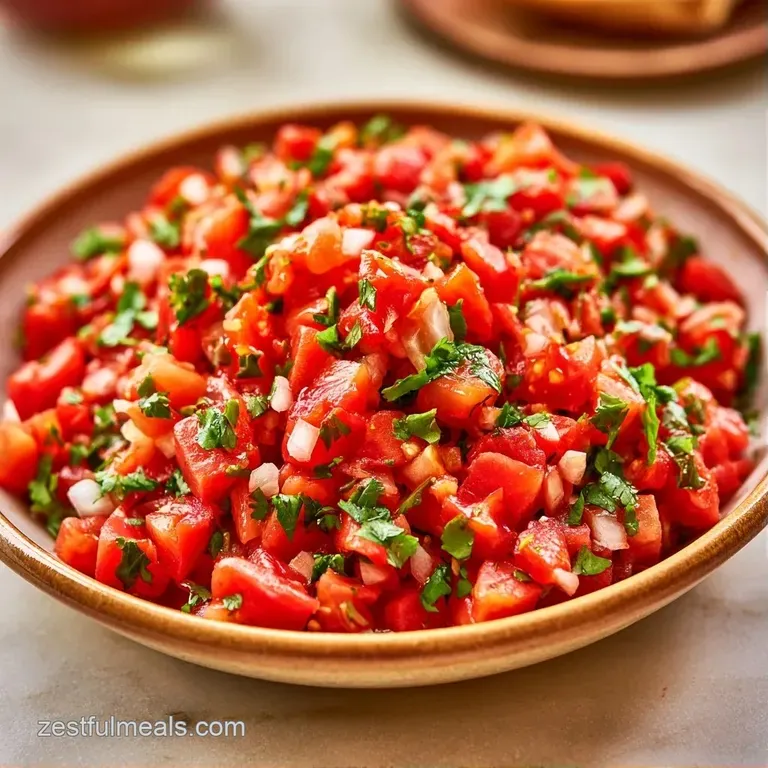
The most common issue is a watery mess. This usually happens if the tomatoes were too ripe or if you pulsed the processor for too long. Serious Eats' testing shows that removing tomato seeds prevents a gummy or runny crumb in vegetable mixes, and the same applies here.
Another problem is when the heat is too aggressive. If the serrano was a "super pepper," the fire can drown out the lime and garlic.
Fixing Watery Salsa
If your salsa is too liquid, stir in a teaspoon of finely minced raw onion. The onion helps absorb excess moisture without changing the flavor profile.
Reducing Excessive Heat
Add a pinch of sugar or more lime juice. The sugar counteracts the capsaicin, and the acid helps neutralize the burn.
Correcting Blandness
Add a tiny pinch more salt. Salt is the bridge that connects the lime and the pepper flavors.
| Problem | Root Cause | Solution |
|---|---|---|
| Too watery | Over pulsing or juicy tomatoes | Strain through a sieve or add minced onion |
| Overwhelming heat | Too many pepper seeds | Add lime juice or a pinch of sugar |
| Bland taste | Lack of salt or acid | Add a pinch of sea salt and more lime |
Mixing Up the Heat
You can easily tweak this Simple Spicy Salsa Recipe to fit your crowd. For those who want something even more intense, try a Super Spicy Salsa Recipe by adding a minced habanero.
If you prefer a fermented funk, you might like a fermented serrano sauce instead of a raw dip. It takes longer to make but has a deeper, tangier profile.
For a version tailored as a Spicy Salsa Recipe for Canning, you must increase the vinegar content to ensure the pH level is safe for shelf storage. Follow USDA guidance for acidification to avoid spoilage.
Optimizing Pepper Potency
For a milder dip, stick to jalapeños. For a real kick, use a 2:1 ratio of serranos to jalapeños.
Adding Smokiness
Stir in a teaspoon of smoked paprika or use a chipotle pepper in adobo sauce. This transforms the fresh profile into something more rustic.
| Goal | What to change |
|---|---|
| More Heat | Use 2 serranos, 0 jalapeños |
| More Tang | Increase lime juice by 1 tbsp |
| Thicker Texture | Remove all tomato seeds |
Scaling Your Spicy Salsa Recipe
When you need to make a larger batch of this Spicy Salsa Recipe for a party, don't just multiply everything by four.
Scaling Up (4x): Increase the salt and cumin to 3x instead of 4x. Taste as you go, because salt can become overwhelming in large volumes. Work in batches in your processor to avoid over processing the bottom layer into a paste.
Scaling Down (½): Use a smaller bowl to prevent the ingredients from spreading too thin. If you're using a large processor, pulse very carefully, as the blades might miss the smaller amount of produce.
Keeping Your Salsa Fresh
Keep your completed salsa in an airtight glass jar. It remains fresh when refrigerated for 3 to 5 days.
Do not freeze this raw salsa. The freezing process breaks down the cell walls of the onions and tomatoes, leading to a watery, separated consistency after thawing.
Zero Waste Tip: Rather than throwing away the lime rinds and tomato seeds, save them. You can freeze the rinds for future zesting and add the seeds to a vegetable stock to enhance the umami profile.
Best Ways to Serve
This Mexican Spicy Salsa Recipe is most at home with thick, salted tortilla chips. The crunch of the chip balances the freshness of the dip.
It also works great as a topping for grilled fish or shrimp. If you want a cooked option for a dinner party, you could serve this alongside a smoky tomato sauce over pasta or grilled meats.
Perfecting the Nacho Platter
To keep nachos from getting soggy, put the cheese and meat on first, bake them, and then spoon the salsa on top right before serving.
Enhancing Grilled Proteins
Spoon the salsa over grilled chicken breast. The acid in the lime juice acts as a light sauce that cuts through the charred flavor of the meat.
Common Kitchen Myths
Searing tomatoes is a must for flavor. This isn't true. While roasting adds a smoky taste, raw tomatoes provide a bright, crisp acidity that is essential for a fresh dip.
More peppers always mean more heat. Actually, most of the heat lives in the white membranes (pith) inside the pepper. You can have a lot of pepper pieces but low heat if you remove the pith.
According to USDA FoodData Central, the calorie count for fresh vegetable salsas remains very low, making this a great choice for those watching their intake. This Spicy Salsa Recipe stays lean while delivering huge flavor.
Recipe FAQs
How do you make spicy salsa?
Pulse minced onion, garlic, and peppers, then add tomatoes, lime, salt, and cumin. Use short bursts in the food processor to keep the texture chunky and fold in fresh cilantro by hand.
What makes salsa taste extra spicy?
Increase the ratio of serrano peppers. While jalapeños provide a reliable base heat, serranos are more potent and deliver a sharper fire.
Is it true restaurant salsa is better because they use a blender?
This one's false: Most high-quality salsas rely on pulsing to maintain a chunky consistency. Over blending turns the vegetables into a thin, soup like puree that lacks character.
How to prevent salsa from becoming watery?
Remove the watery seeds from the Roma tomatoes before dicing. Avoiding a continuous blend cycle in the processor also prevents the tomatoes from breaking down into liquid.
Which peppers provide the best heat?
Serrano peppers offer a more intense heat than jalapeños. If you enjoy this level of fire, you might appreciate the balance used in a roasted serrano sauce.
Do you really need to let the salsa sit before serving?
No, and here's why. Resting the mixture for 10 minutes at room temperature allows the salt to draw out remaining juices and helps the flavors meld.